Bodh
Women are grossly under-represented in the STEM (Science, Technology, Engineering and Mathematics) fields globally. In Europe, the percentage of women who graduate in STEM is around 35%, and gets lower at every higher grade, with only 11% representation at the highest grade, according to a 2015 study.
Identifying the lack of motivation in science and it's perceived disconnect from everyday life to be two of the major problems in high school children, the goal of the project became to help them become more aware of the pervasiveness of science and technology in their everyday life. Being aware is the first step to making informed decisions about career choices.
This project attempts to tackle this issue by opening the door to science through objects that students are interested in. By also bringing female role models to the fore-front, Bodh attempts to drive a systemic change by establishing a connection between students and the scientific community.
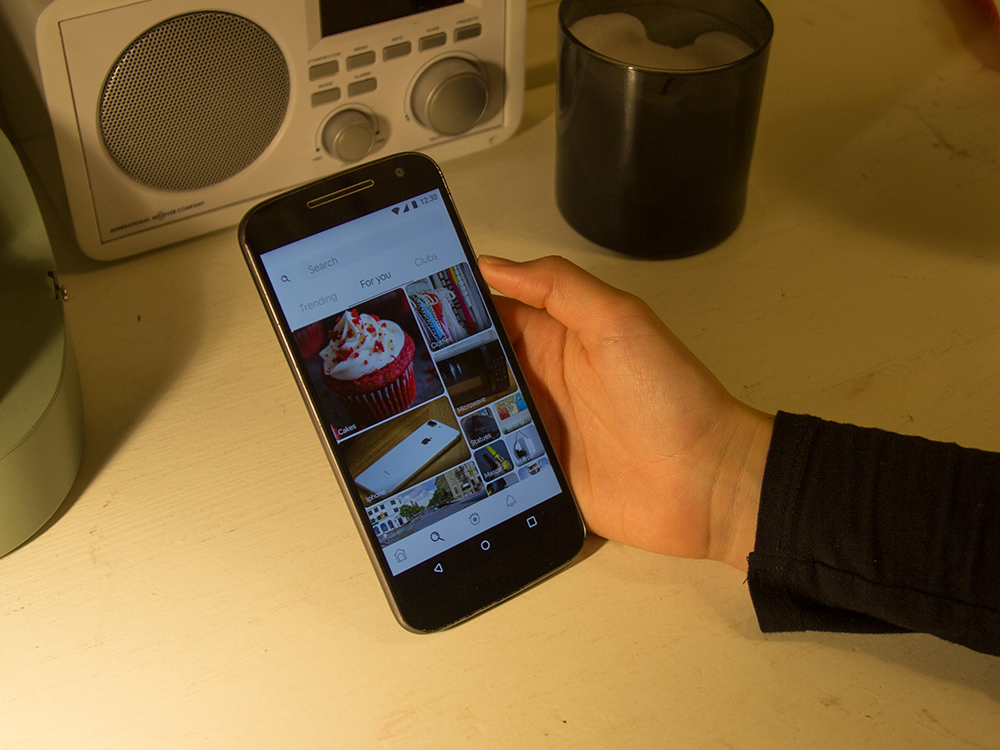
Bodh is a service designed for high school students that brings awareness about how science is involved in everyday life through bite-sized educational content. By enabling students to view one object from the lenses of different scientific subjects, it broadens their perspective about scientific application and piques their curiosity. The service works on a crowdsourcing model that connects students with the global professional and citizen science community. Students capture images of objects they are interested in and upload them to the repository. The scientific network creates subject-specific content (videos,for this particular project) that illustrates science application as related to those objects. When schools subscribe to the service, they get access to premium content, which is created by Bodh in partnership with universities, and collaborating with researchers. Bodh employs a science communicator and a video team for this purpose. Citizen scientists can also contribute to the content repository, and become potential partners of Bodh through a merit system. It uses image recognition technology to identify the images of objects captured by students. It suggests a list of object recommendations for students based on their past queries, and science clubs to join by categorising students who are interested in similar objects. Through this design feature, Bodh attempts to activate girls specifically, although being a gender-neutral service.