DEAD PIXELS
When people die they become a statistic. These statistics are represented in graphs by data scientists and researchers. DEAD PIXELS was born out of a desire to take a more creative, illustrative and empathetic approach to data visualization.
What if each person were represented by a ‘pixel’ instead of a ‘number’?
DEAD PIXELS is a generative art piece that provokes and evokes. It provokes reflection on numerical values attributed to human lives. And evokes feelings of joy in seeing the departed memorialized and given space on a canvas.
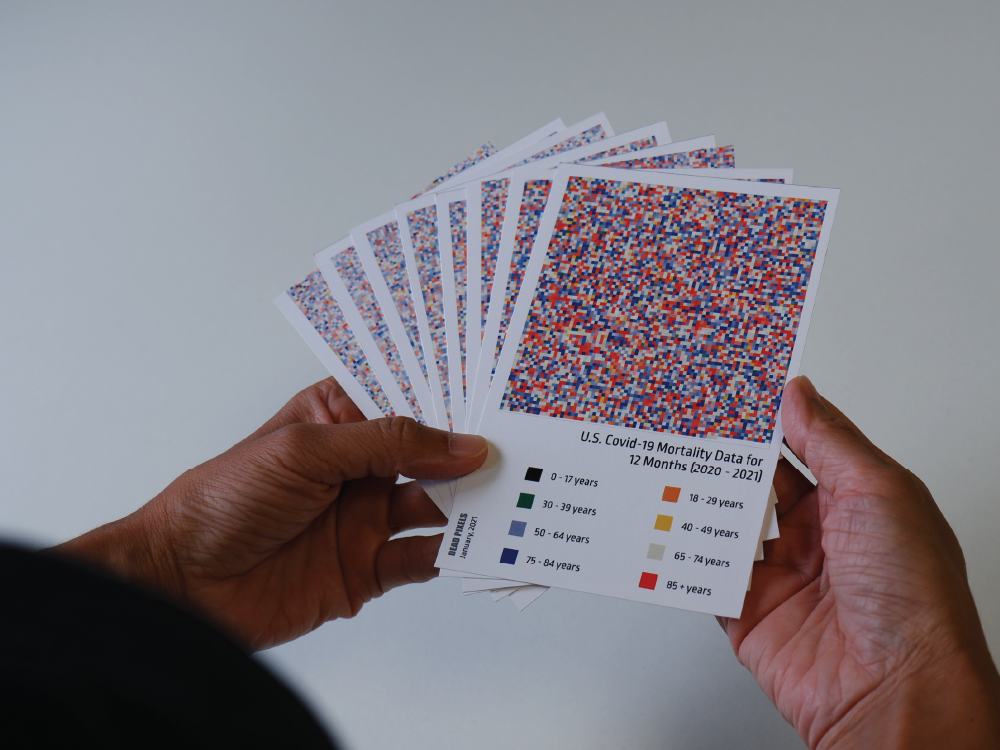
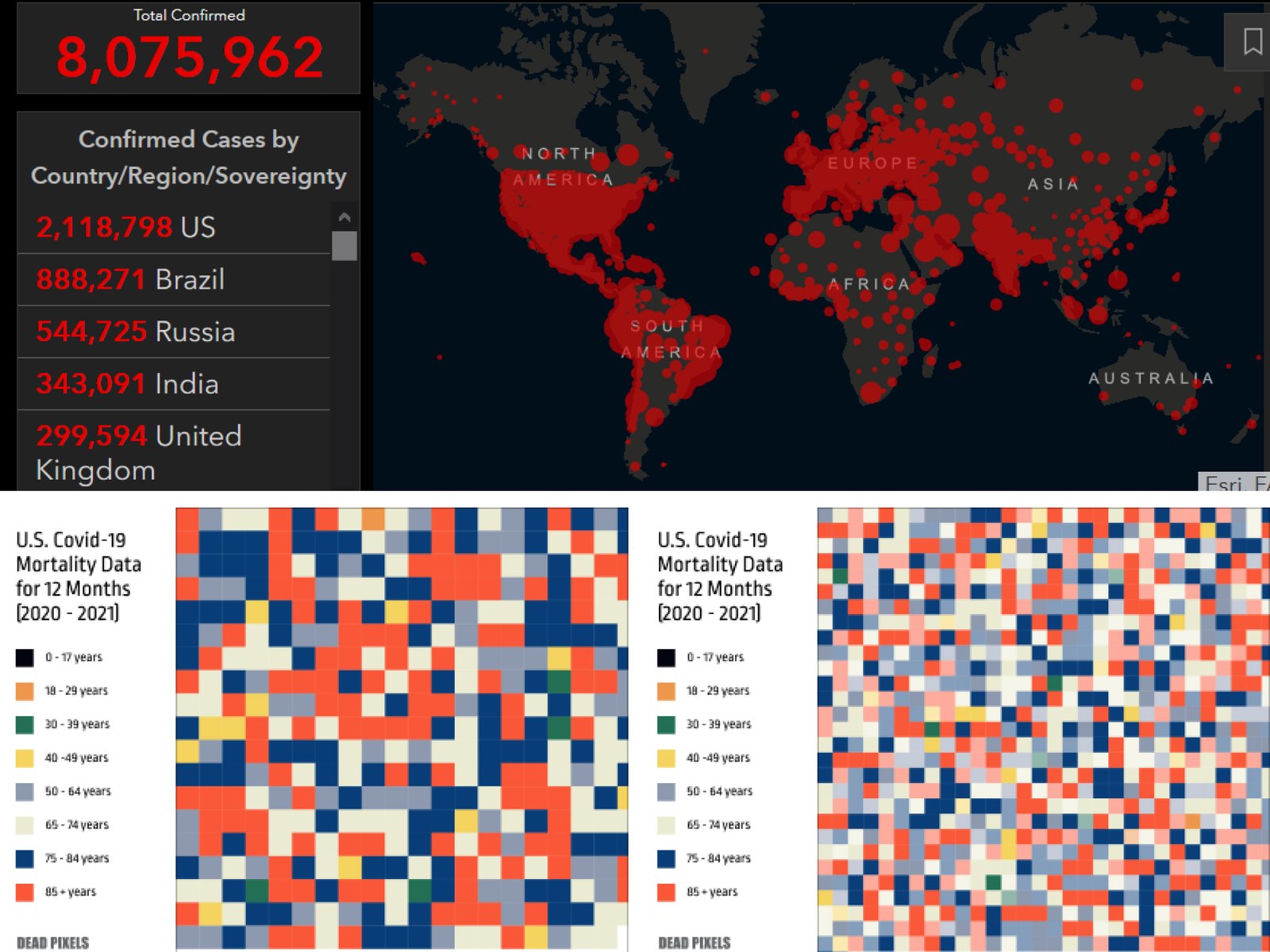
The COVID19 pandemic has been devastating in terms of casualties. These numbers are reported weekly on the US CDC website. Using Processing/P5, DEAD PIXELS is programmed to gather and compute this data on a monthly basis. Each death is assigned a pixel and each age group is assigned a color. As the number of deaths in a particular age group change, the colors assigned to those pixels change. With passing time, the colors of previous months ‘fade’ away giving precedence to more recent data.
Creating a generative work of art that grows and morphs with time.
Giving each individual a place in this piece of art.
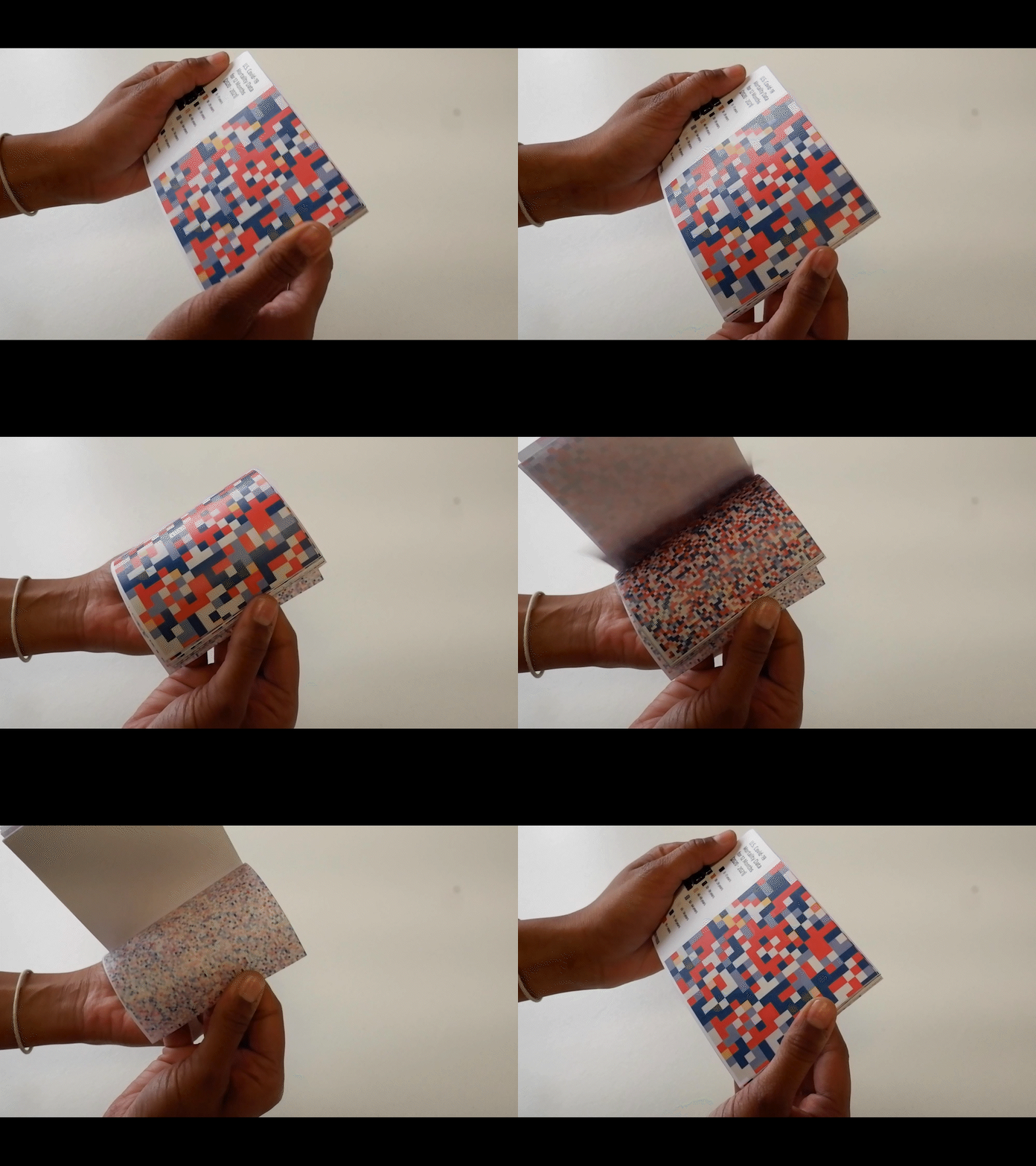
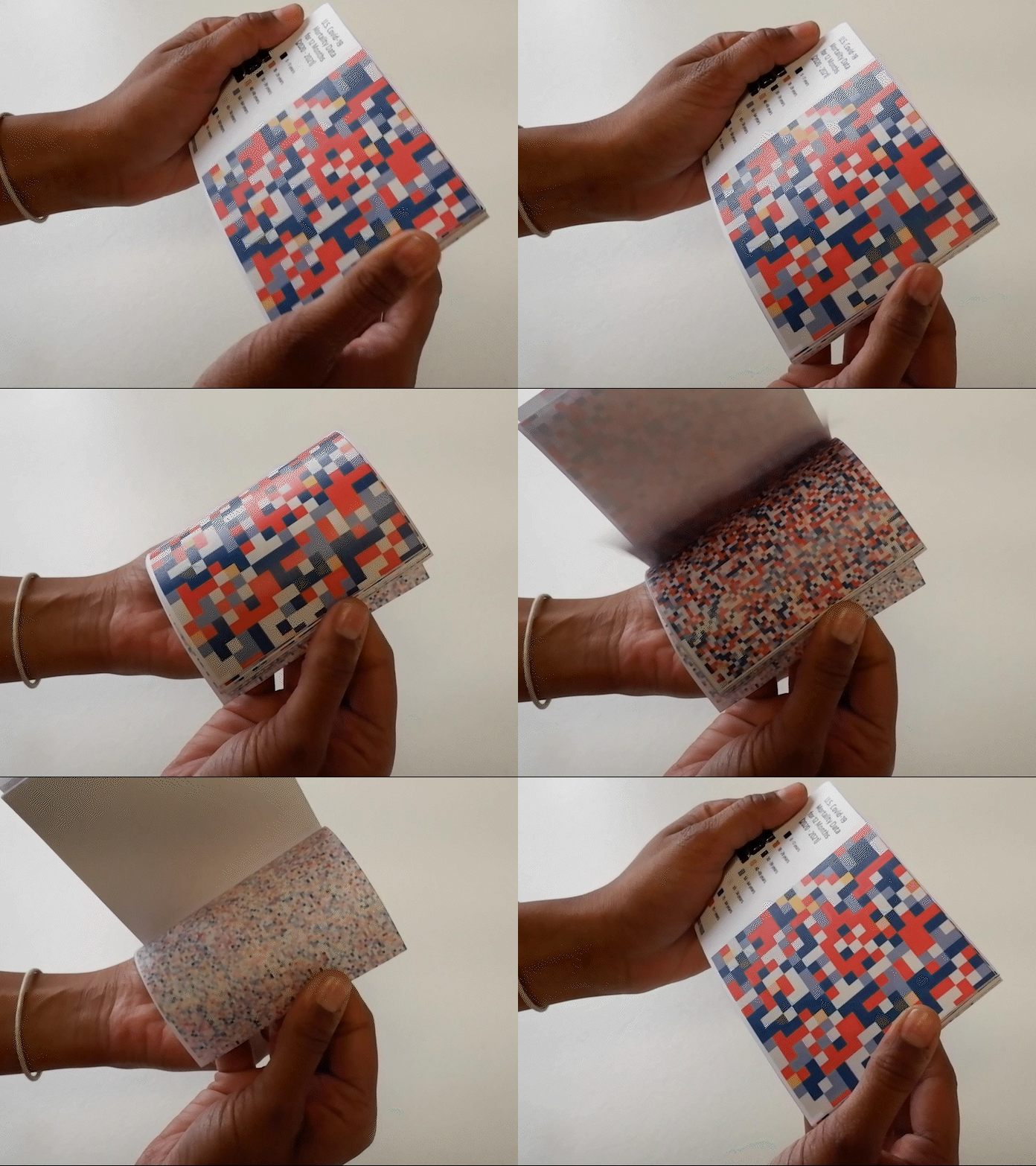
The art is viewed as a projection on a wall. The audience may choose a collectible postcard set or a flipbook as a keepsake.
The programming was no mean feat. Using features like Load Table, 2D Arrays, and randomize to compute large amounts of data. Adding transparency incrementally to the pixels assigned to each preceding month proved to be a challenge. Especially given the size of the data set. This problem was solved by downsampling the data.
The resulting art piece is memorable for its poetic interpretation of an otherwise overwhelming subject matter.