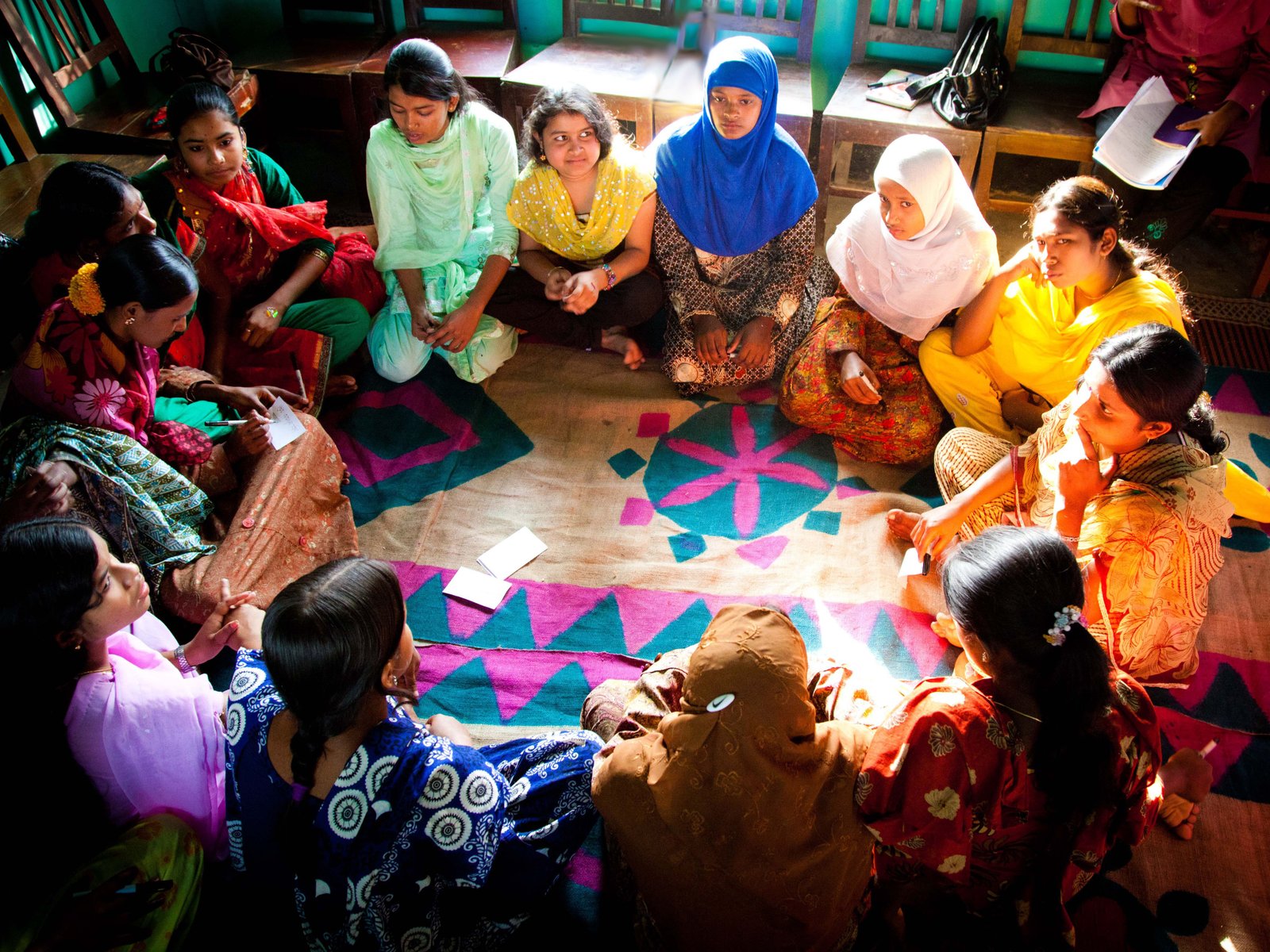
Design for Inclusion
Build empathy and design for the unfamiliar & unknown
Workshop Dates: June 17-21, 2019
Enrol here!
Keywords: Empathy, Diversity, Cultural Awareness, User-centered design, Research, Insights, Storytelling.
Description:
While human-centred design is becoming increasingly ubiquitous, designing for situations that question the status quo of what we know (topics relating to culture, identity, religion, or status, for example) doesn’t exactly have a guidebook. Designing for true inclusivity means investigating, understanding, and ultimately, elevating the things that make us different. This class will help you design for those differences by thinking about new ways to plan for discussions and collaborations with real users, explore the art of empathy, and apply those insights into to a tangible solution with a meaningful story. Jump into the belly of the beast, and expect lots of collaboration, experimentation, and learning through doing in this provocative workshop.
Learning expectations:
- Design for Empathy
- Create foundational shared knowledge around the role empathy in the process of design, as it
relates to vulnerability, cultural differences, and going into the unknown. - Research Planning
Using a toolbox of resources and tools, students will learn techniques and approaches to plan a
thoughtful approach to research when working a design brief that might feel unfamiliar or
designing for a scenario that tests their background or beliefs. - Conduct & Overcoming Barriers
Through simulated scenarios and role-playing, students will explore a variety of challenges that
may come up along the way, and how to adapt or evolve their approach. - Insights to Action
Based on simulated user stories and some independent exploration of their own, students will learn
how to build insights and translate those into tangible ideas, while holistically considering the
problem space. - Storytelling
With the nuance of their user stories in hand, this workshop will culminate with stories shared by
each team about their discoveries and insights, hurdles, and ultimate design solutions.
Prerequisites:
None, though a basic understanding of human-centred design is helpful but not necessary.
Faculty
To be confirmed