Interface
Neuroscientist Björn Merker, explains human consciousness, as a set of three concentric parts: the ego, the body and the world. So it’s the realization of the self in the mind, the body that contains that mind and the world in which is located. There, he adds something he calls “visual aperture” in which he suggests that we only see, or perceive, a fraction of what the world and the body is. And that statement introduces the inevitable question: what are those things that make up the world, and that we cannot perceive?
Trying to answer that question, Anil Seth, a professor from the University of Sussex, says:
“We don’t just passively perceive the world, we actively generate it. The world we experience comes as much, if not more, from the inside out as from the inside in. In fact, we’re all hallucinating all the time, including right now. It's just that when we agree about our hallucinations, we call that reality.”
Anil Seth, suggests that the construction of reality depends on every individual. It’s determined, among other things, by our capability to perceive the world, that comes from the senses every individual has.
Knowing that, we can understand that if an individual has at least one different sense from another individual, their perception of reality will change, and that is exactly what happens when we compare different animal species who possess different senses to humans.
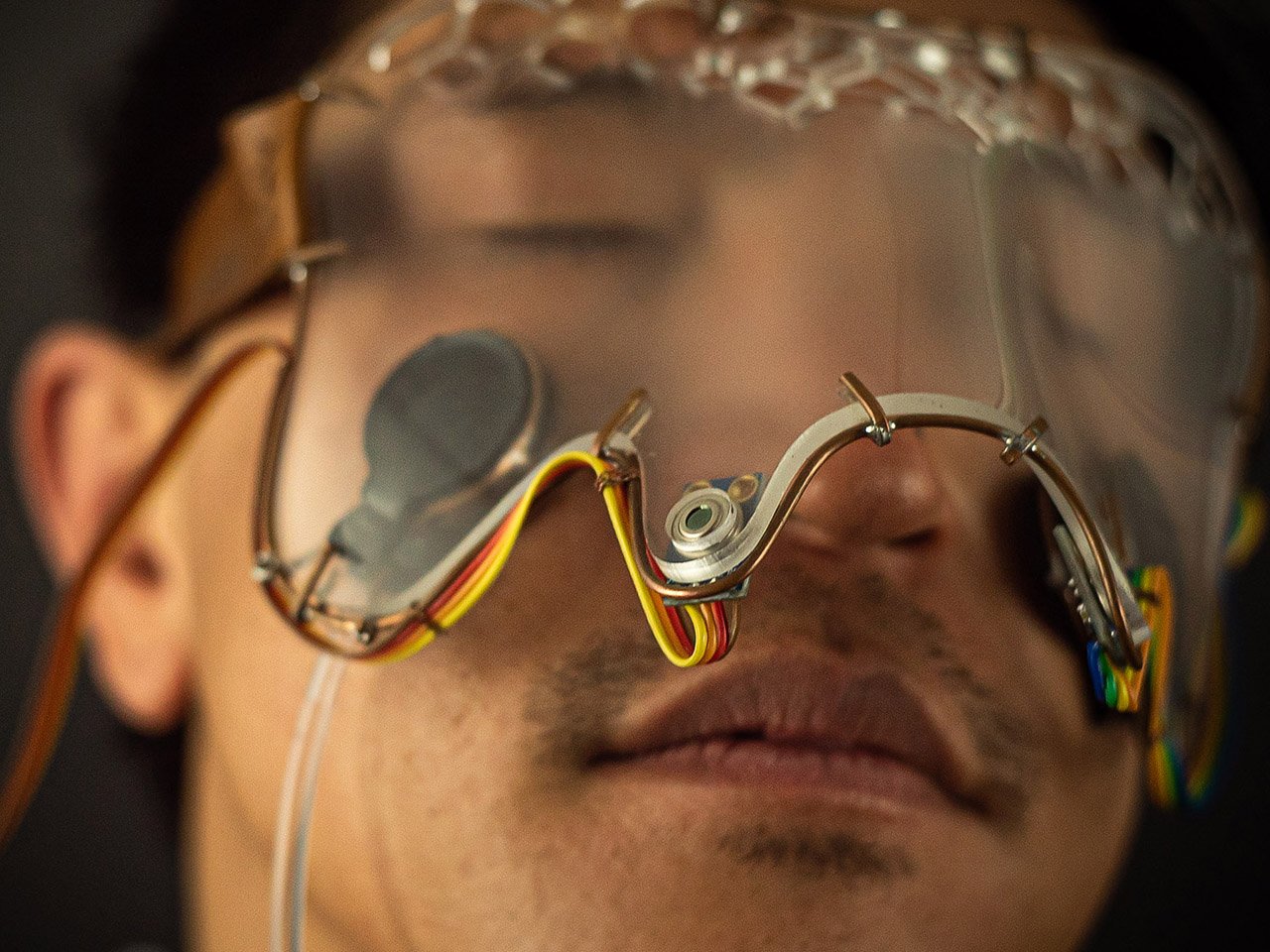
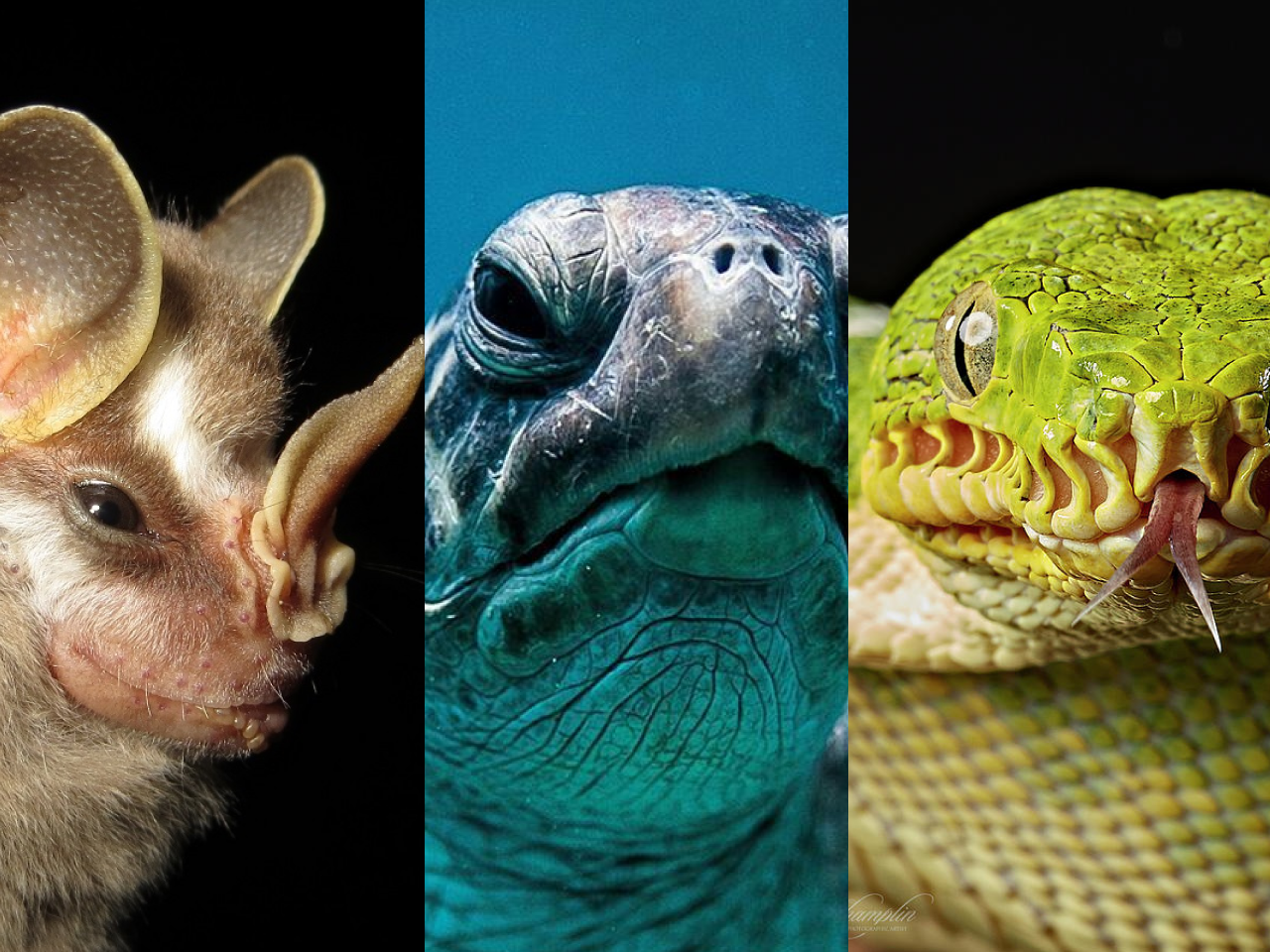
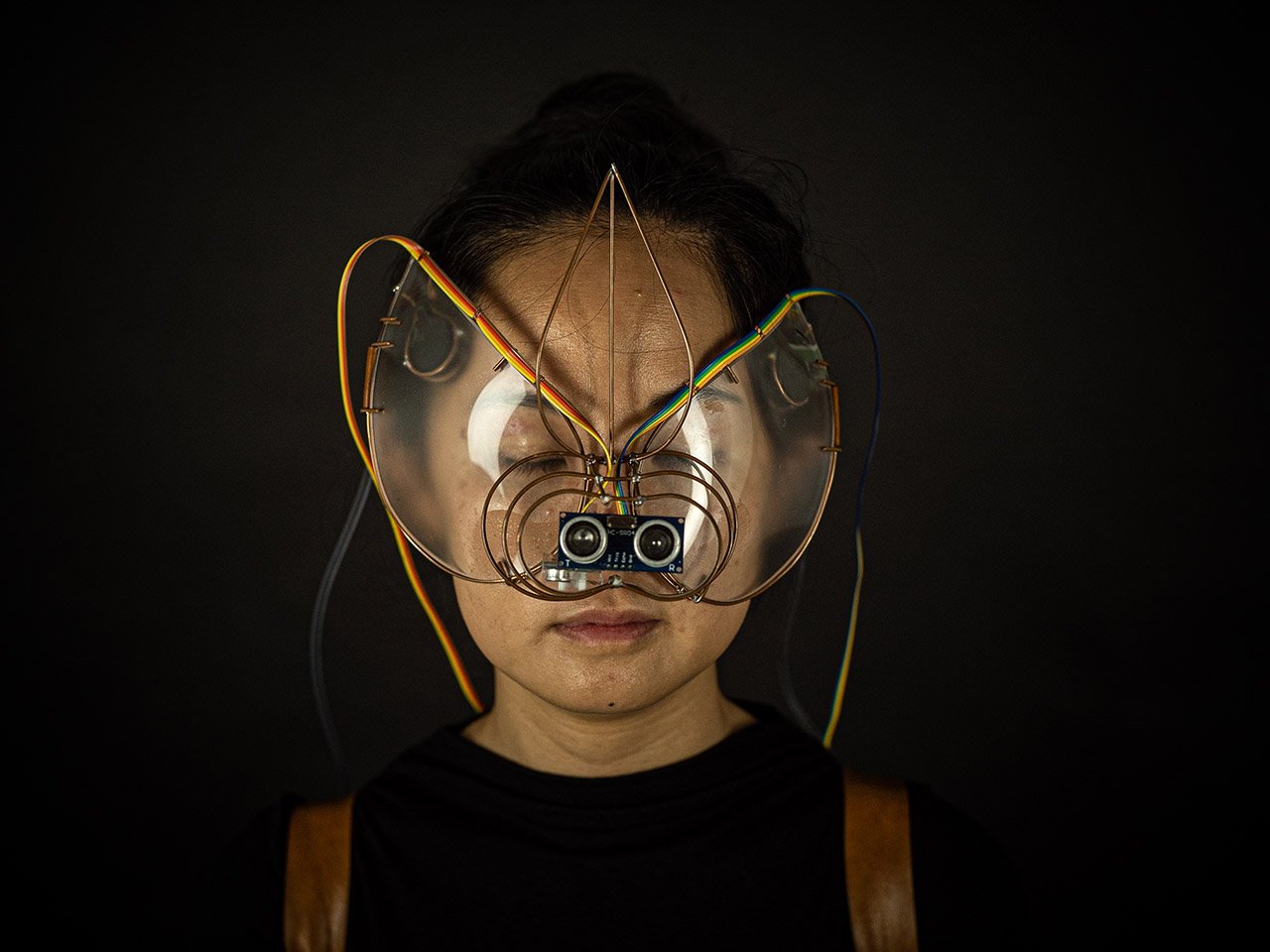
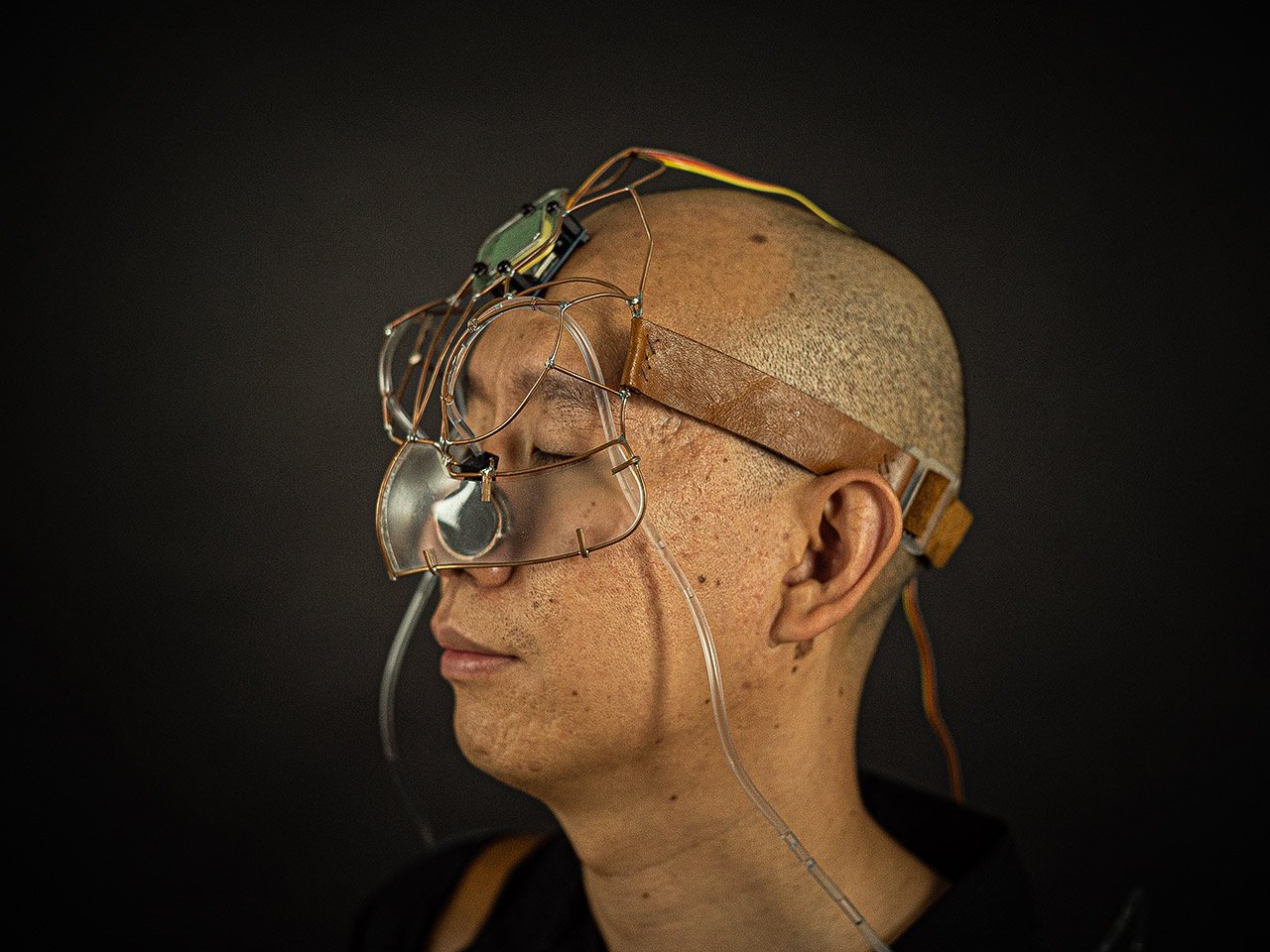
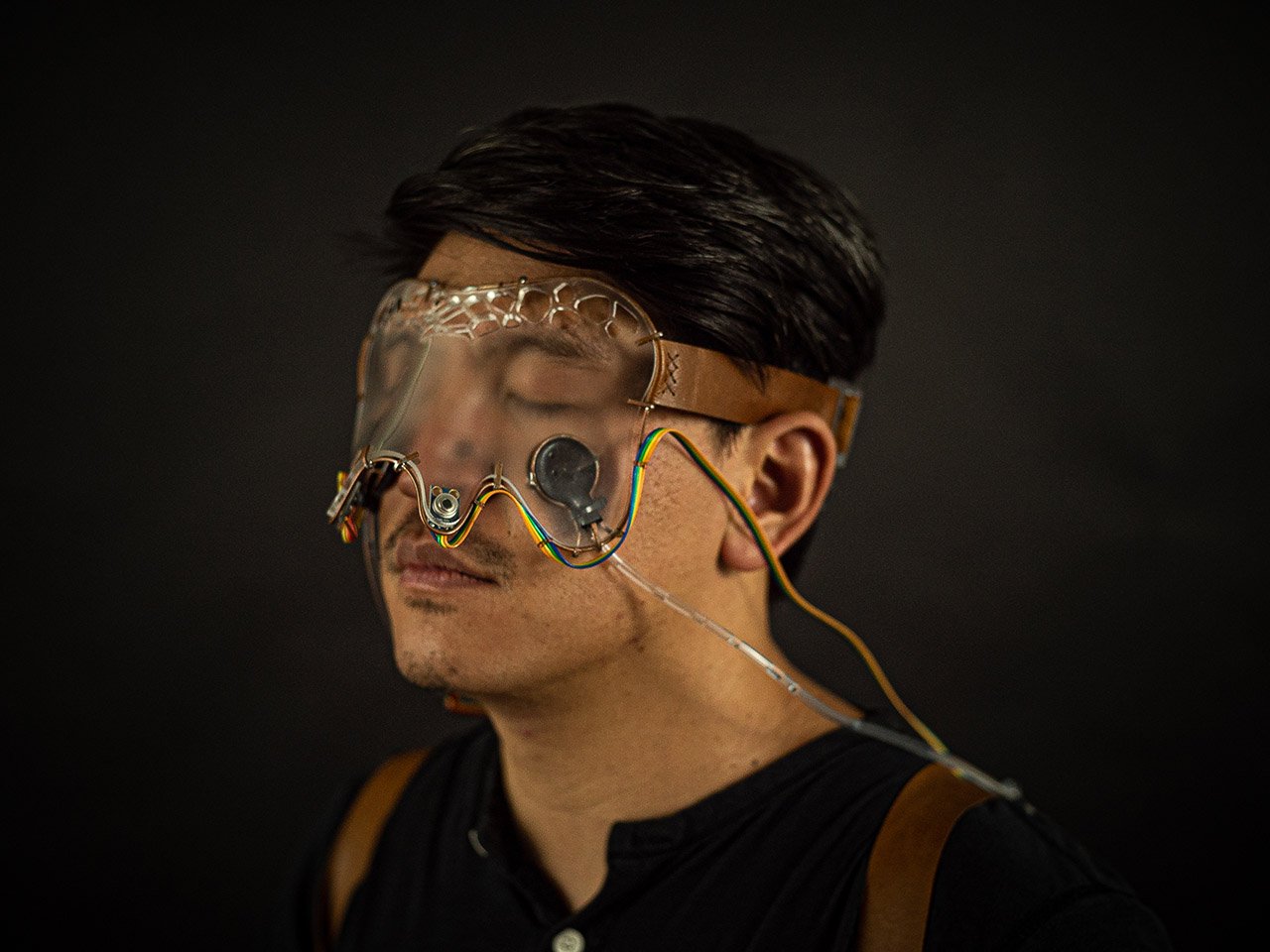
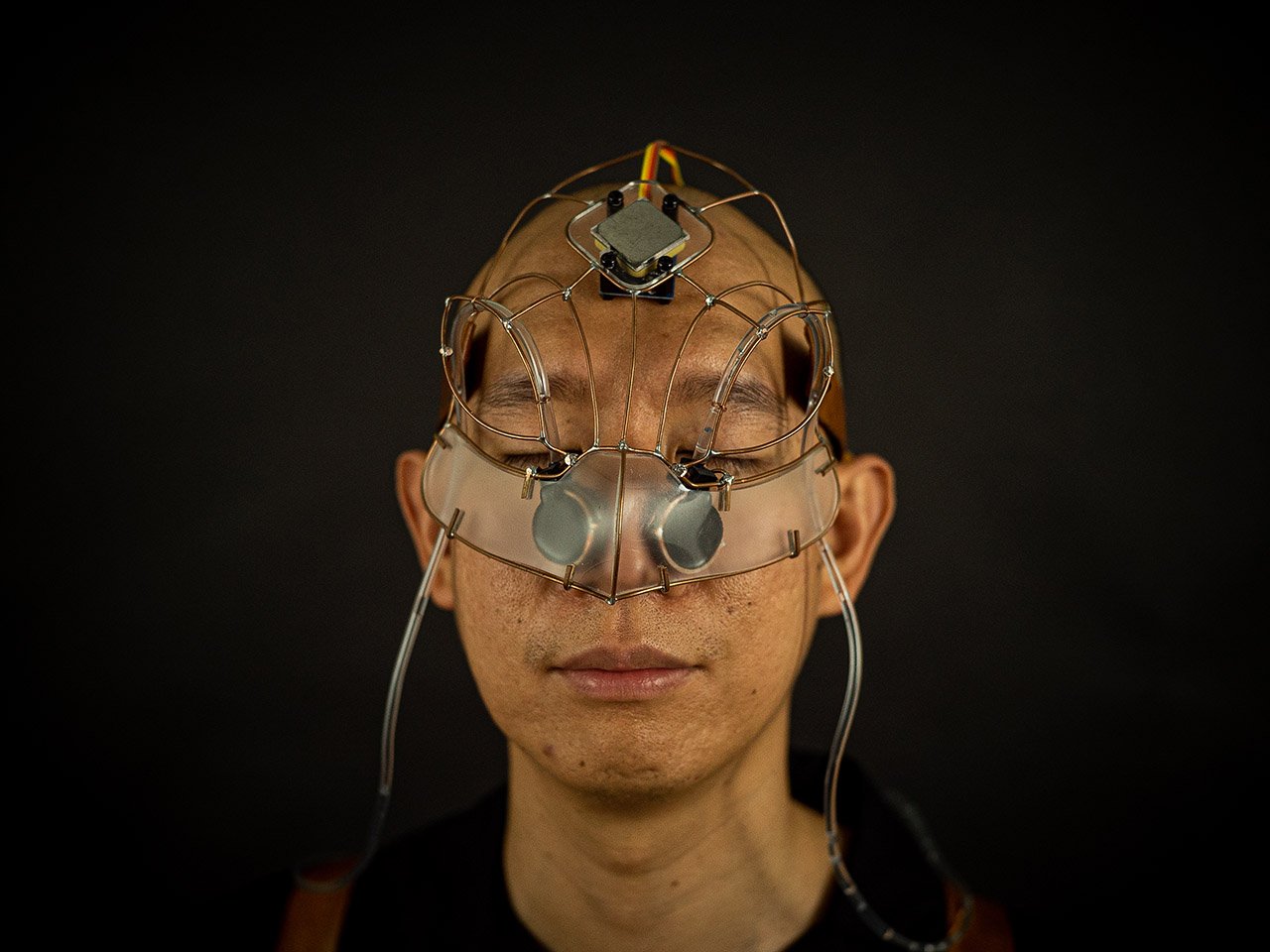
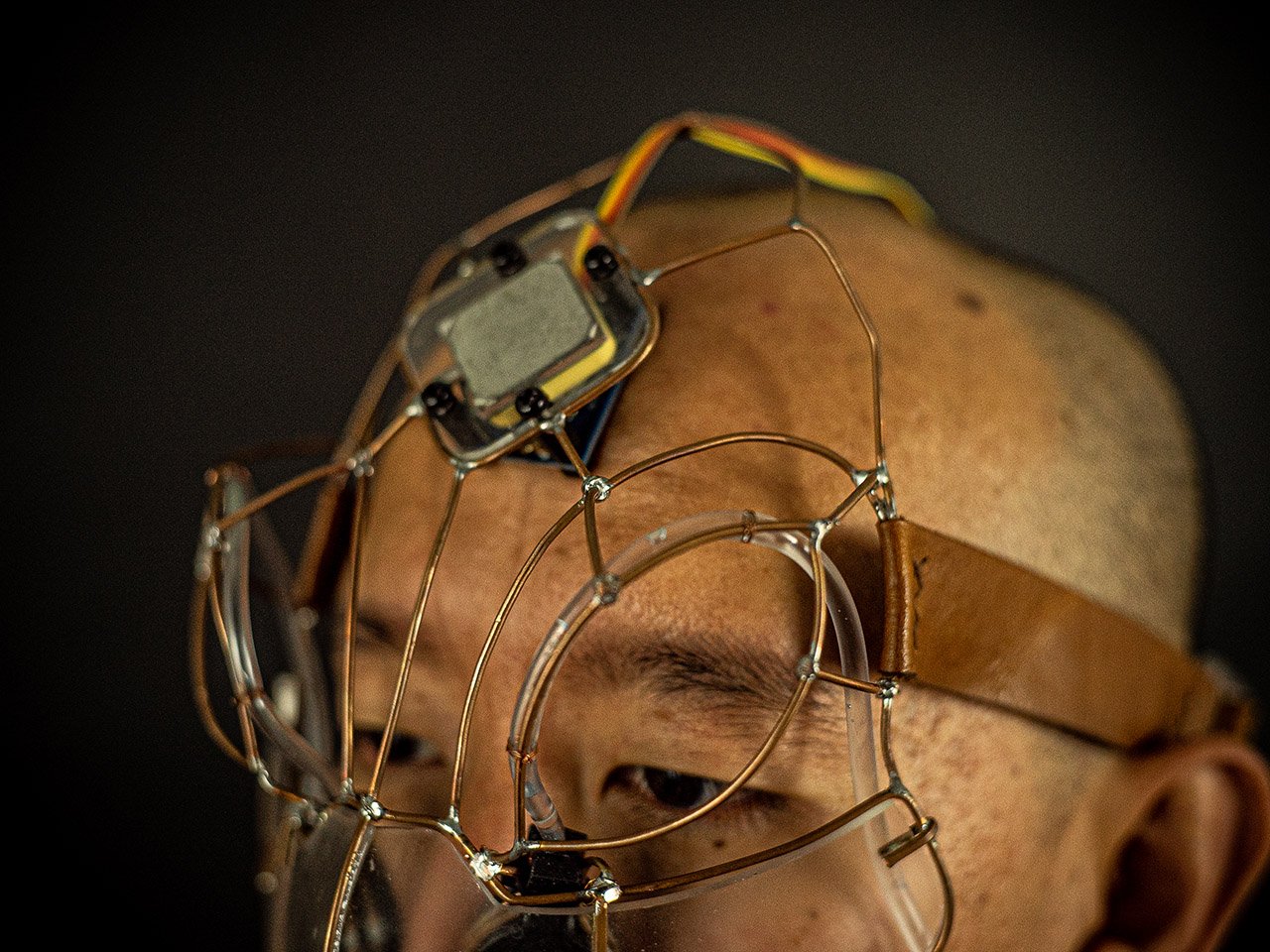
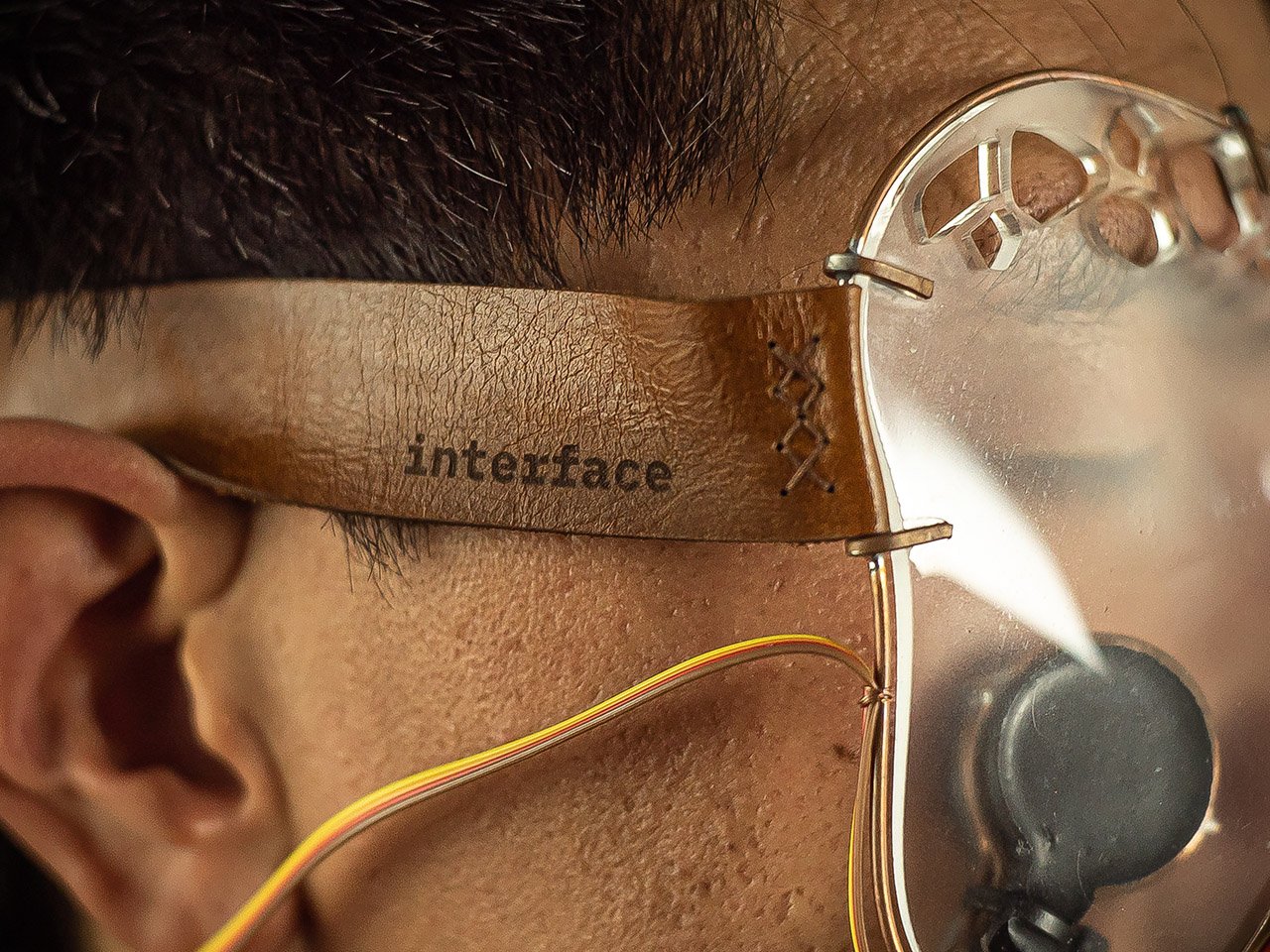
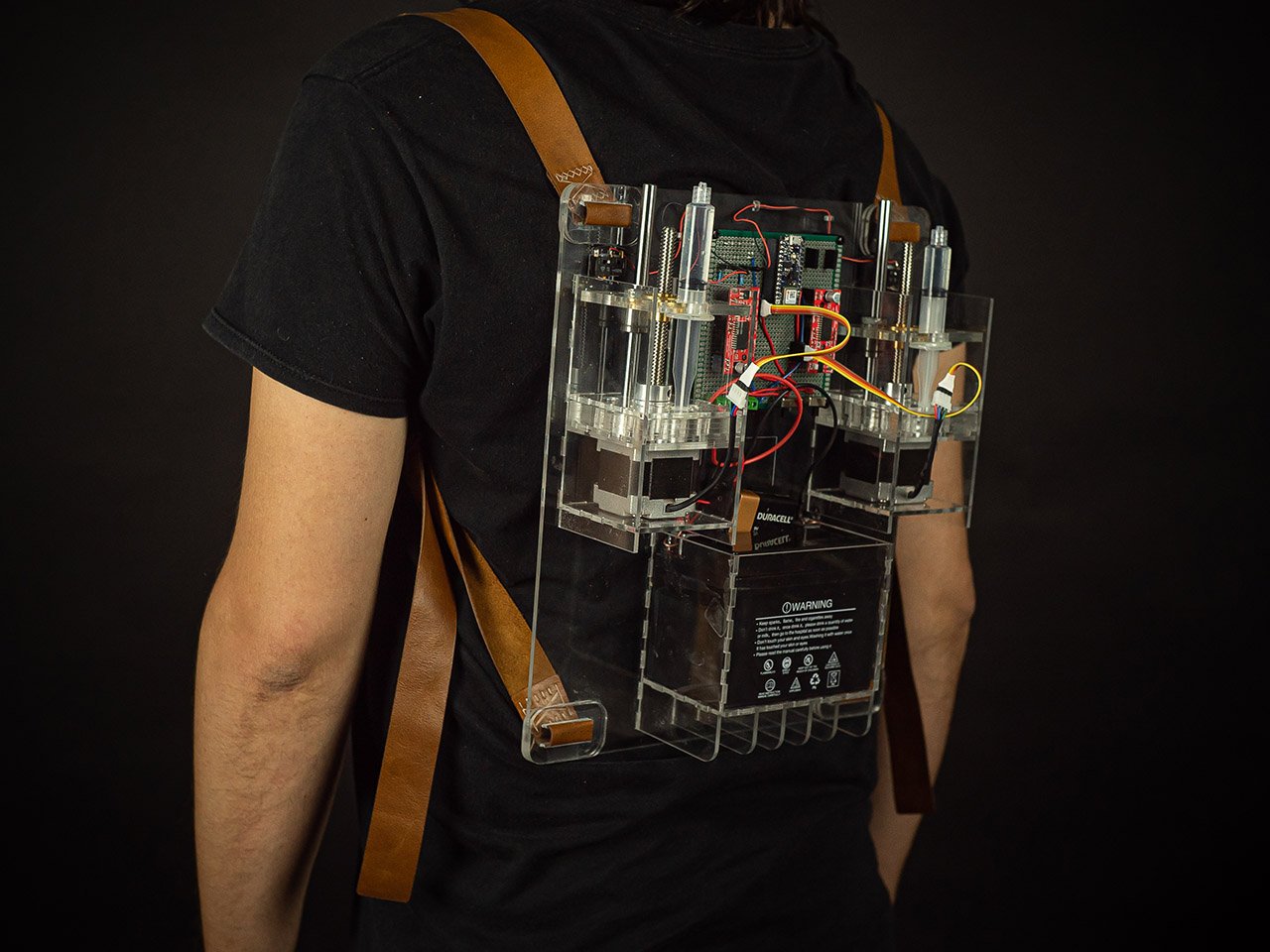
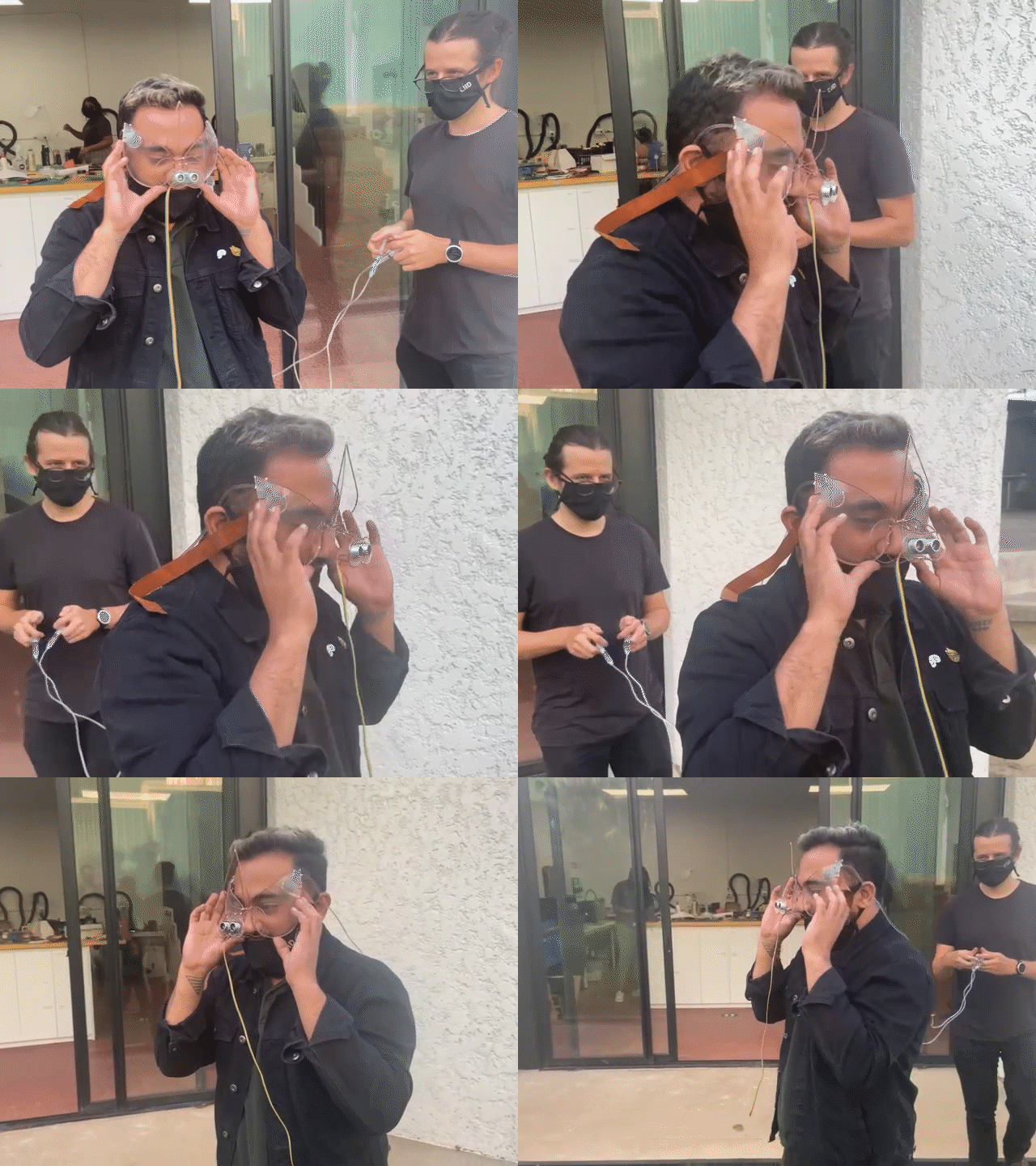
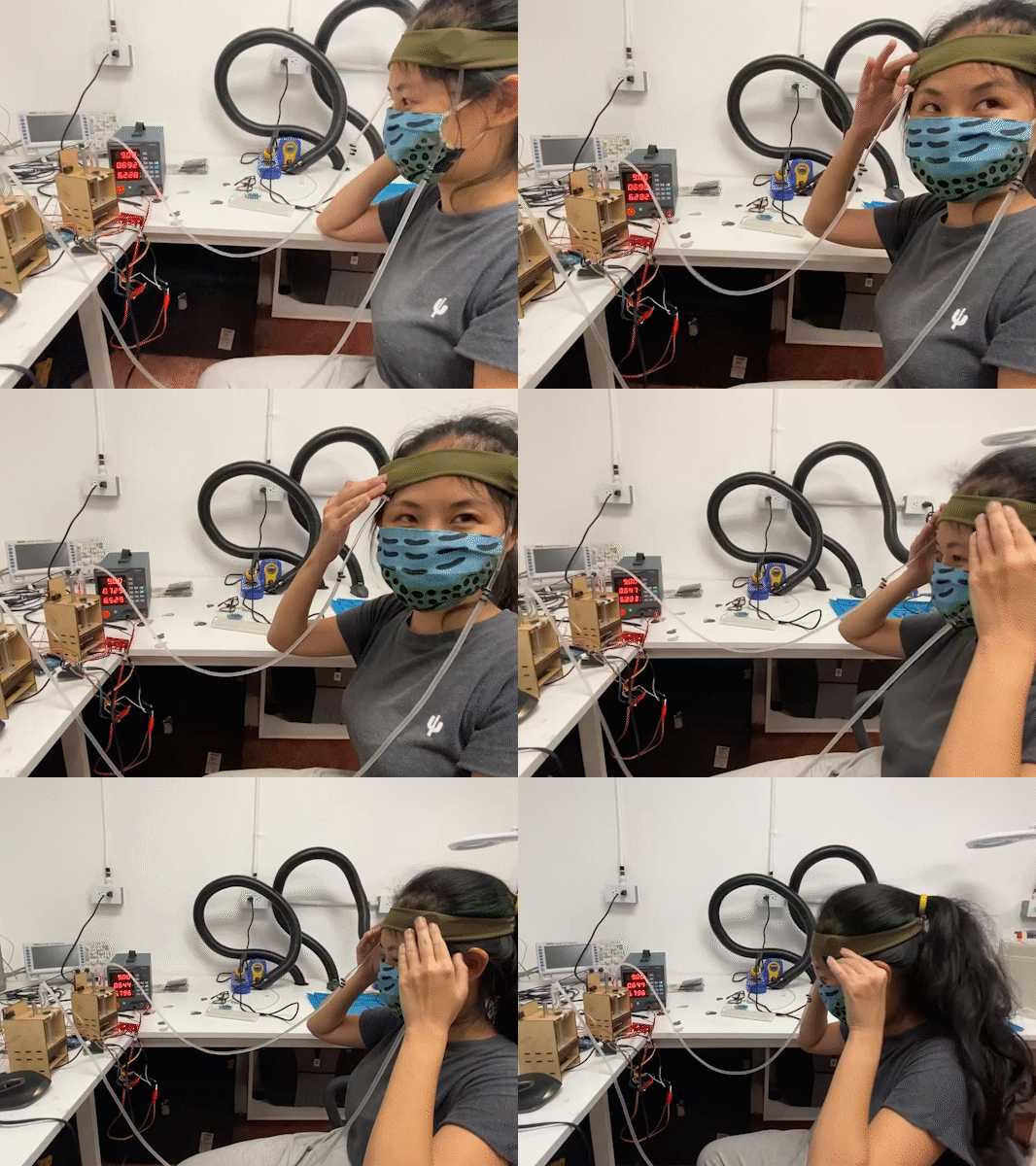
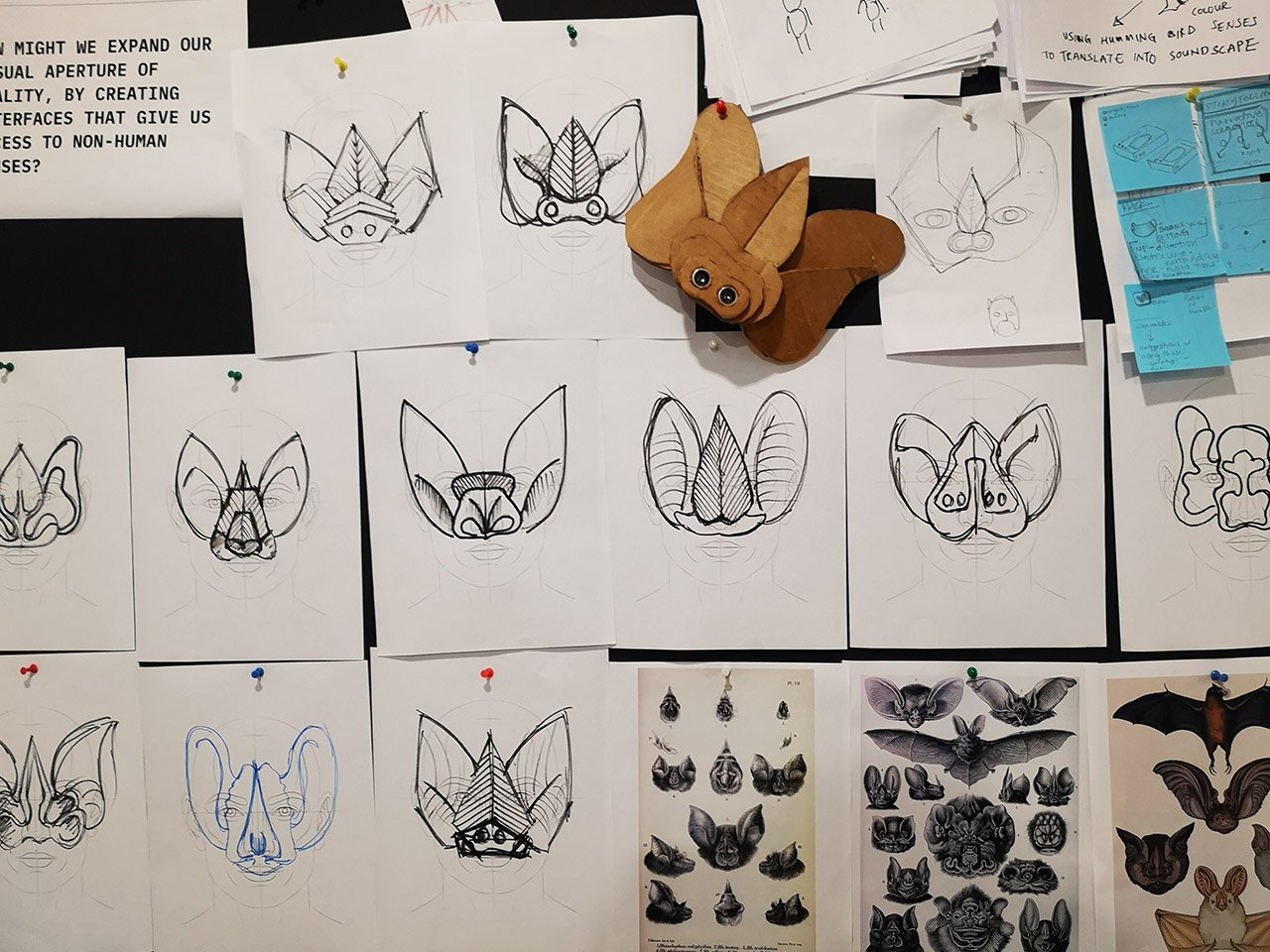
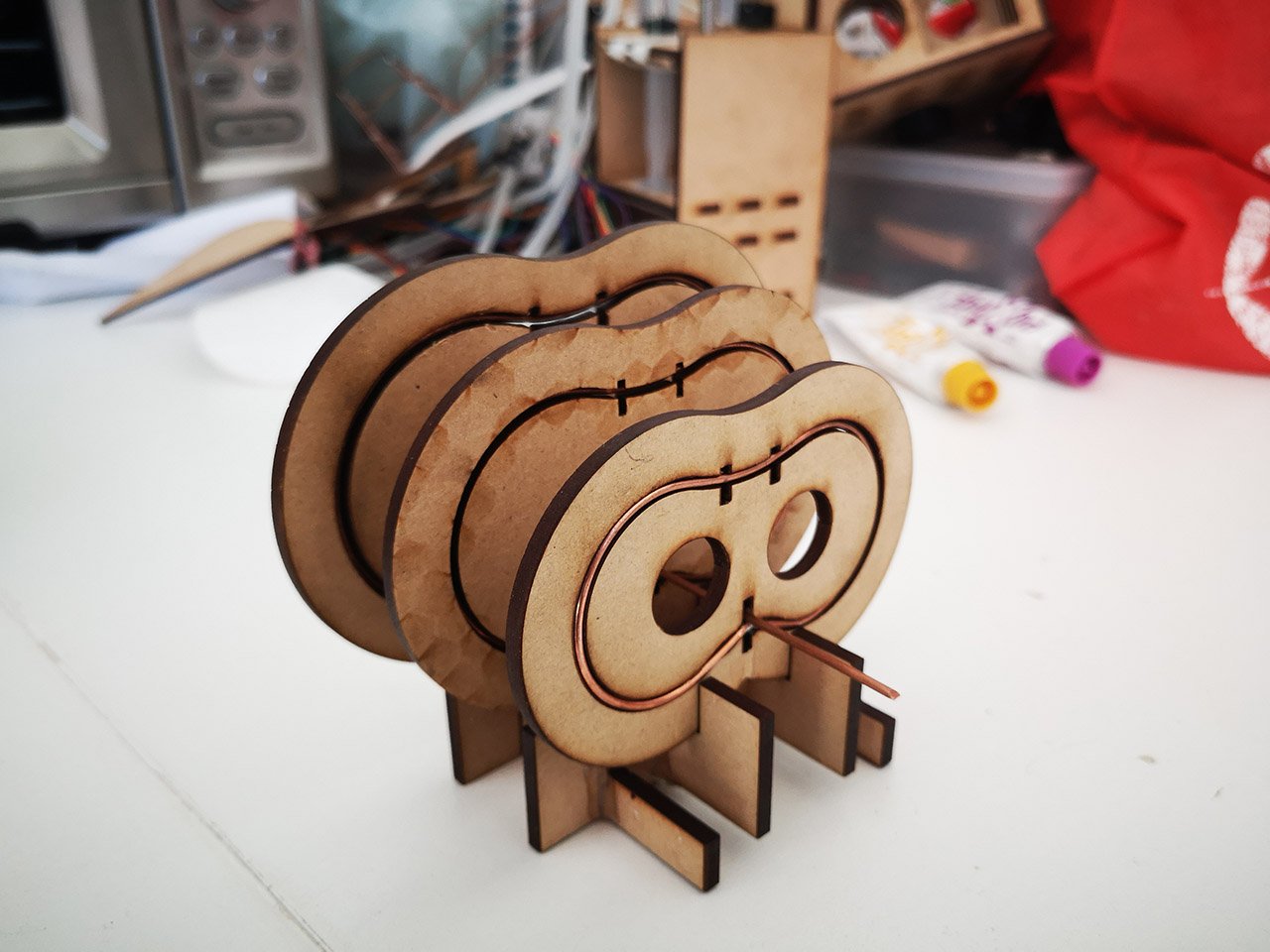
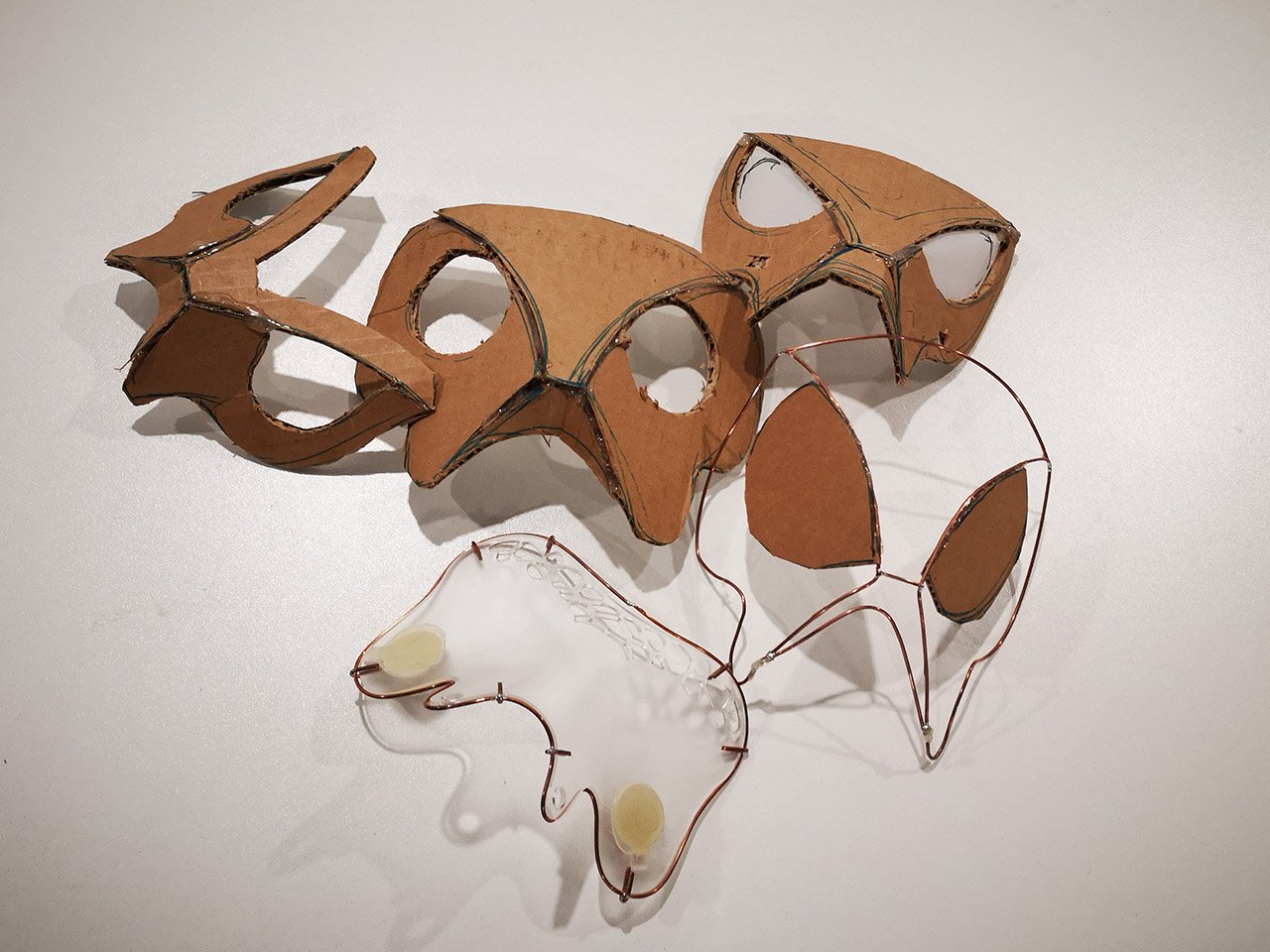
Interface is an exploration on how to change the human perception of reality. The masks swap a human sense with a non-human sense inspired by three different animals - which enables us to embody the way these other creatures perceive the world.
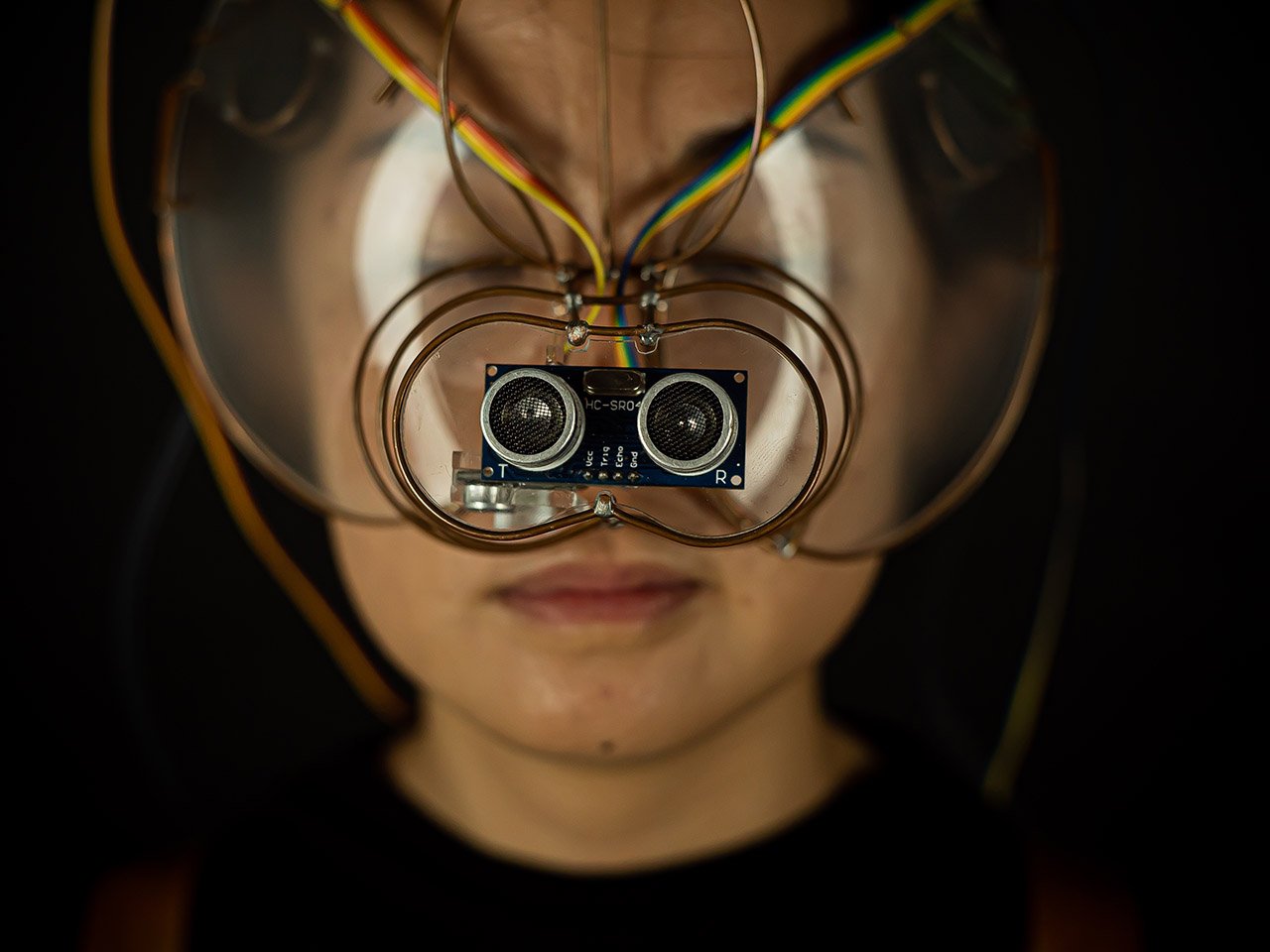
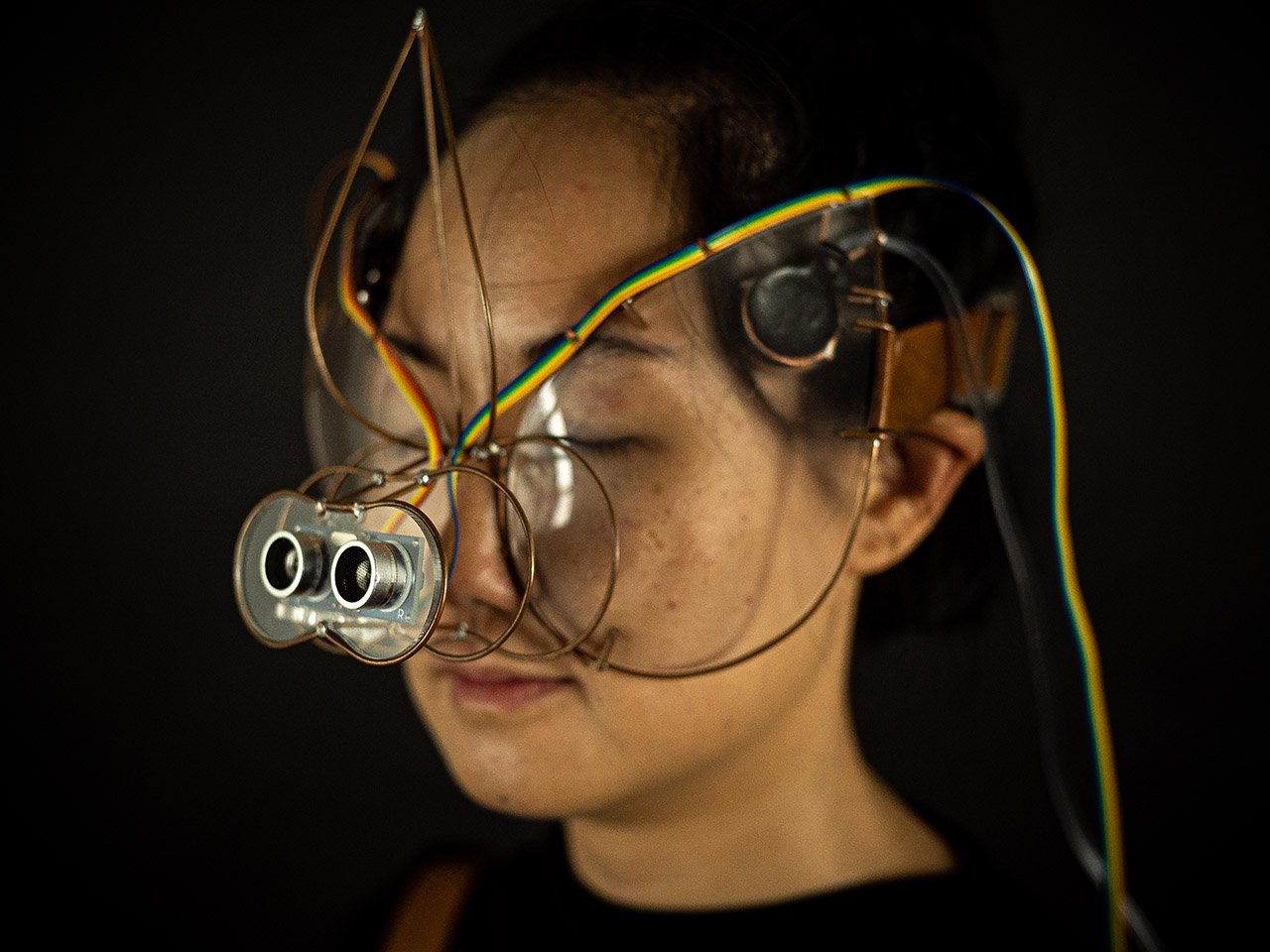
Echolocation:
Inspired by bats, this mask simulates the feeling of bouncing sound waves, making i t possible to feel if there’s anything in front of you and how far away it is.
Infrared Sensing:
Inspired by pythons, this mask enables you to feel the infrared emissions of external bodies, allowing you to sense if other nearby creatures are alive or not.
Geomagnetoception:
Inspired by sea turtles, this mask can make the user feel the different latitude and longitude coordinates in the world, allowing humans not only to know where are they in the world, but to feel it.
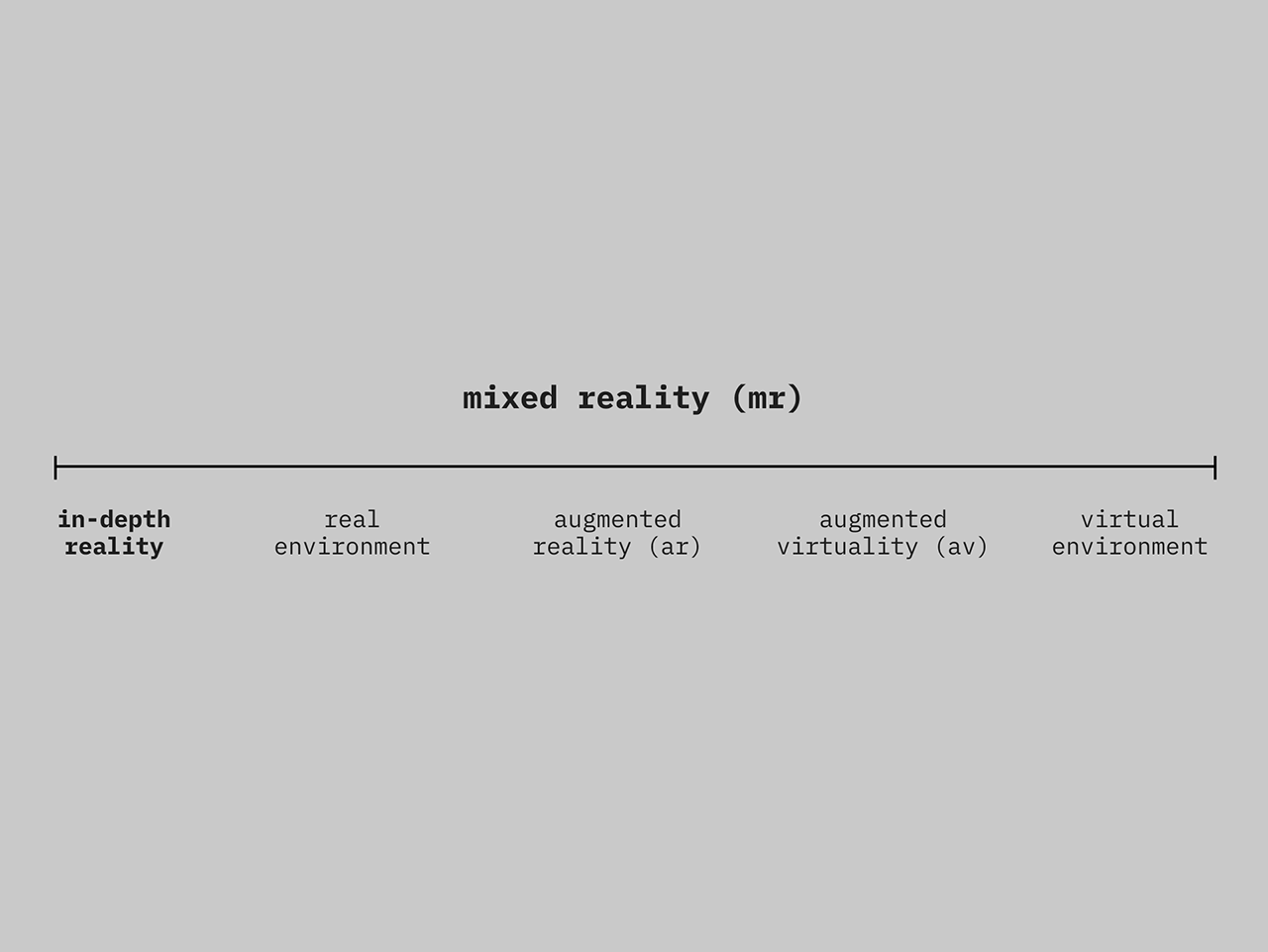
The development of this project showed up an interesting finding, trying to fit this inside the mixed reality spectrum, it’s clear that it doesn’t fit in there, because in the current definition of mixed reality, digital layers are added to the conventional reality, in order to create things as augmented reality or virtual reality, however, Interface doesn't add any digital layer, instead, adds a physical layer that is “invisible” to the human senses.
That’s why, as a conclusion for this project, it’s being proposed to expand the current definition of Mixed Reality, adding a new field called “In-Depth Reality”, in which designers, engineers and academics, can develop knowledge and technology around it.