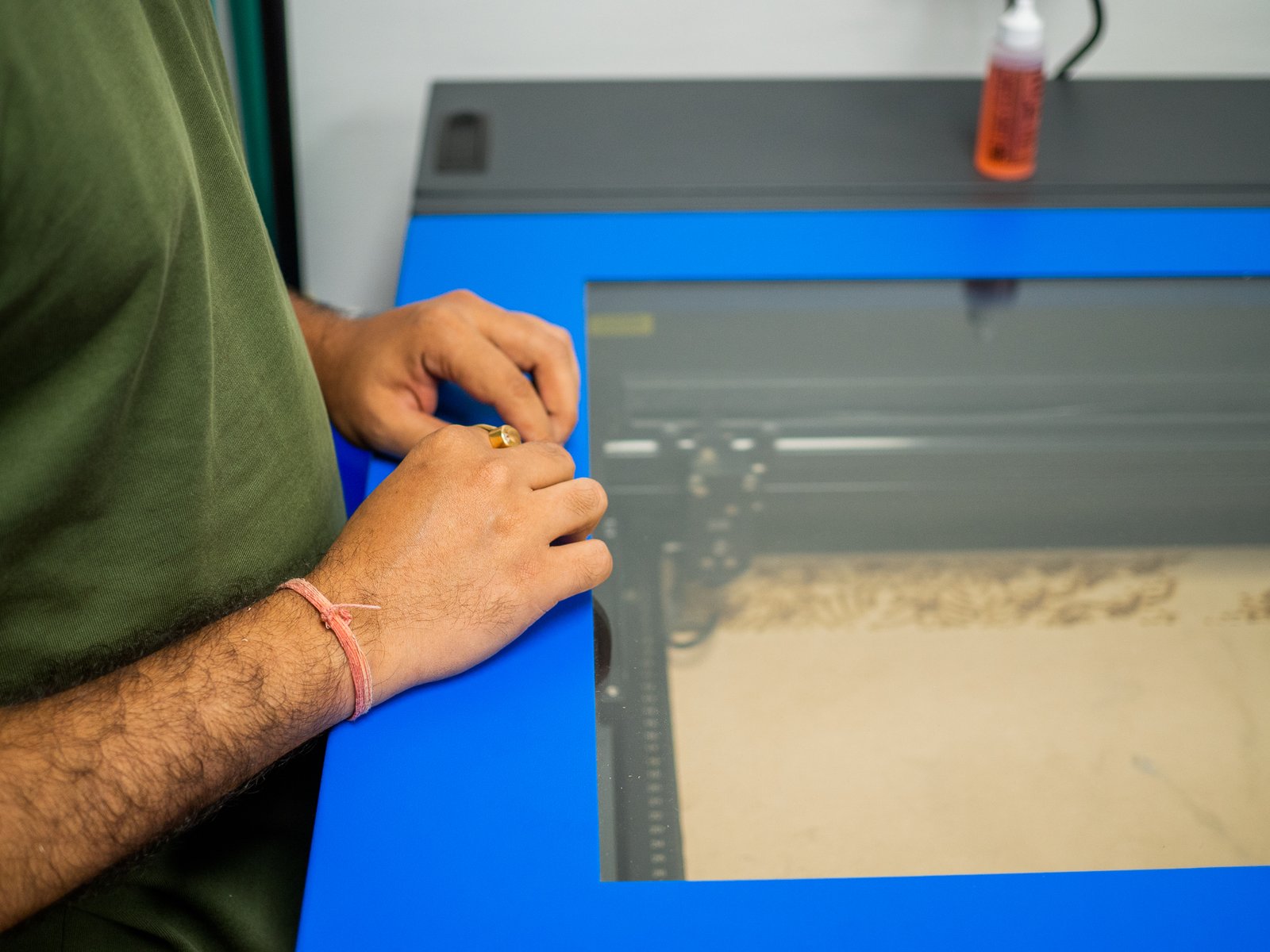
Per Nexum
As part of TUI, groups were asked to design high fidelity prototypes that explored one of the aspects of meaningfulness (People to People, People to Self, People to Time) in a Costa Rican context. With this brief in mind, ‘Per Nexum’ was designed.
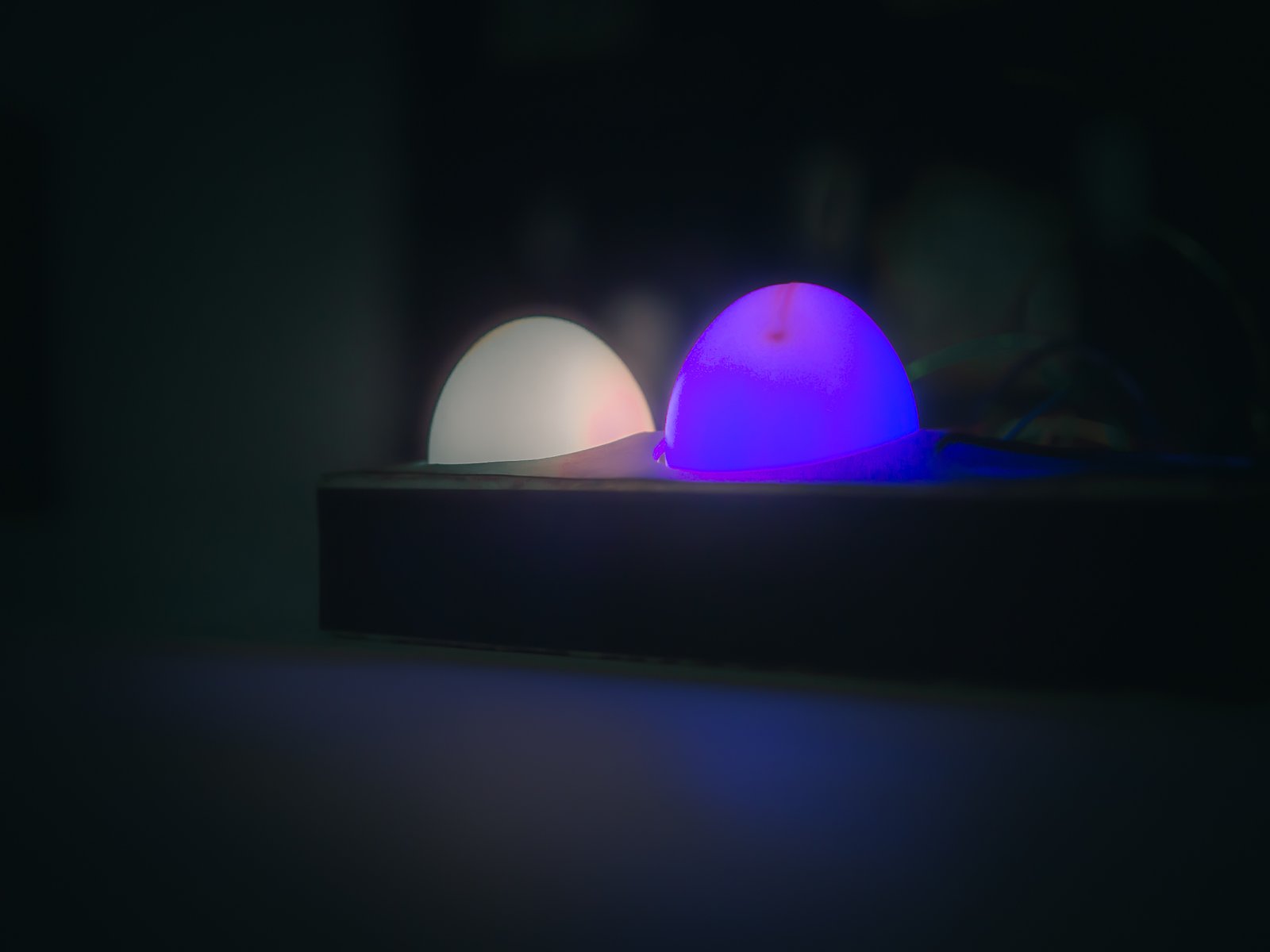
‘Per Nexum’ is a networked device that can scan, send and print short messages of appreciation children send to their beloved mothers. The intention of the concept is for sons/daughters to convey genuine appreciation for their mothers when far from home.
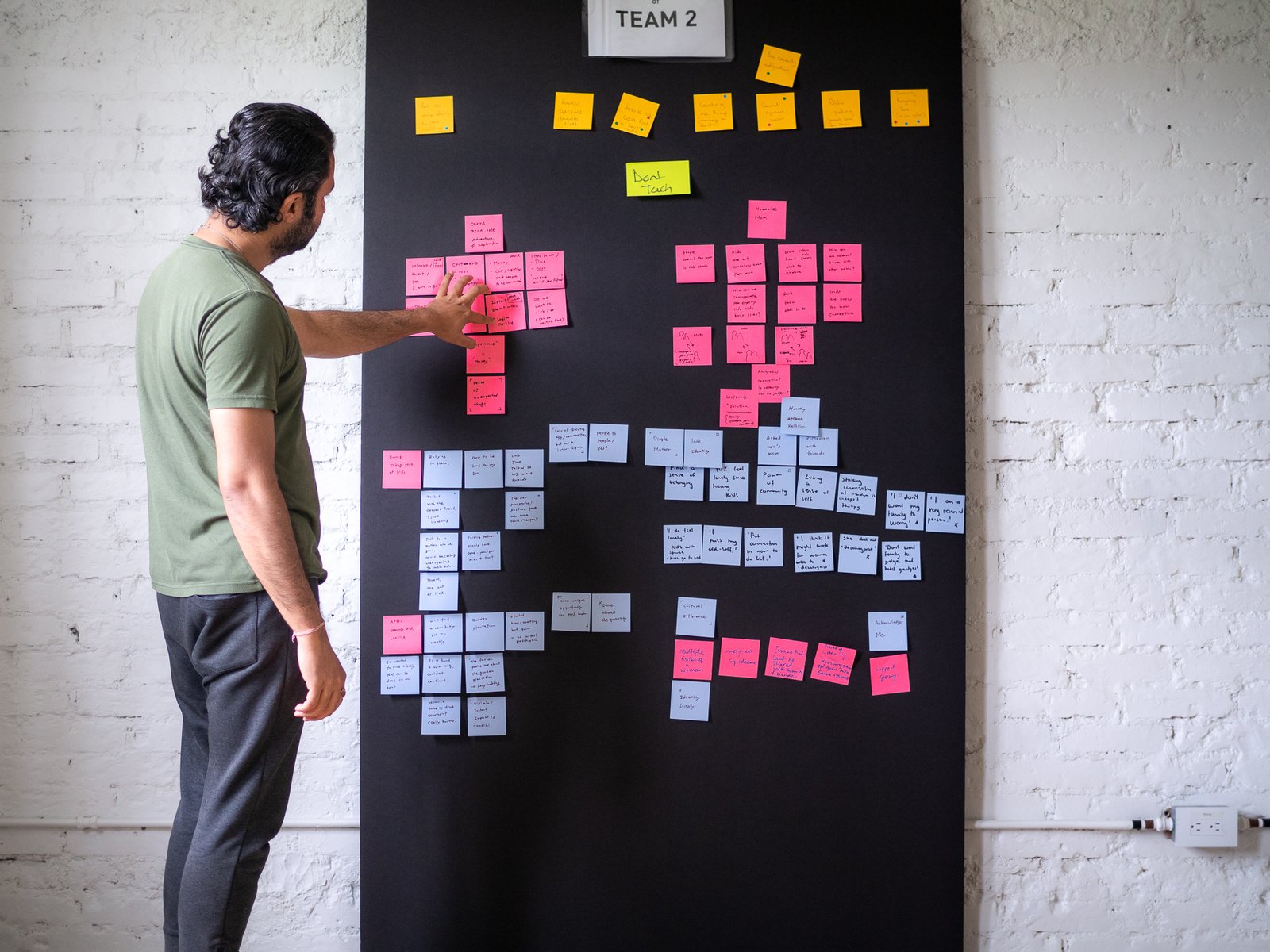
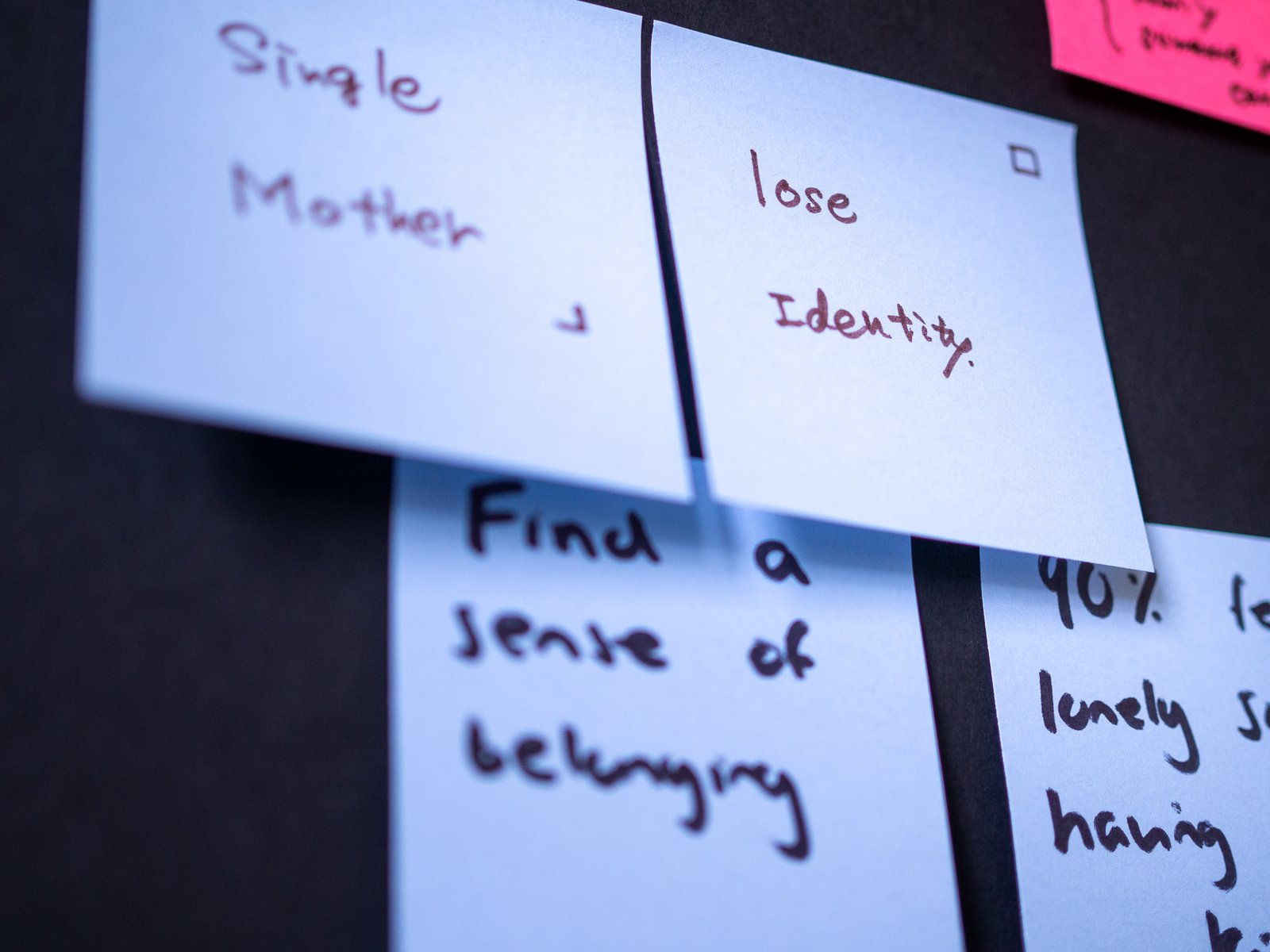
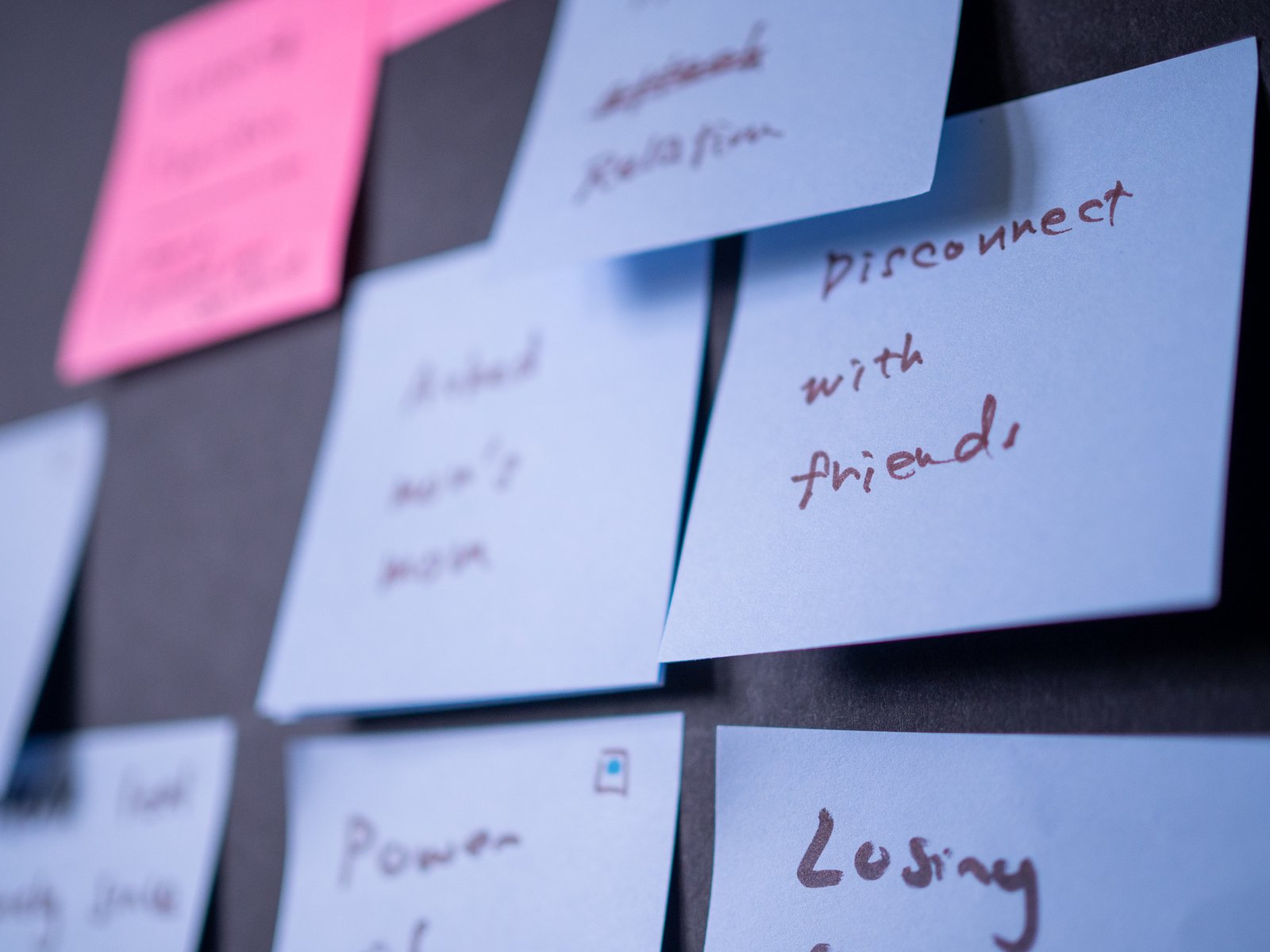
Two initial inspirations drove the team to the research phase. The first being a way in which to ‘humanize mothers’ (to see mothers beyond their mother ‘tasks’) and the second a way in how genuine appreciation could be shown when children are far from home. From research, the team found that mothers tend to struggle with the empty nest syndrome (when children leave parents home) causing a doubt in their self-identity as it is challenging for them to know who they are beyond being a mother. From here, the team developed the following How might we statement. How might we facilitate Costa Rican youth who are staying away from home to convey their appreciation for all the efforts and sacrifices mothers make when raising a family?
Three low fidelity prototypes were made with the purpose of exploring the interactions. The first showed a tangible way in which family members know if they are all home, the second explored sending notes of appreciation and the third a way for children to tune in with their mothers whenever they wanted to express they were safe.
Three decisions were made for high fidelity prototype:
- Conveying appreciation through a physical message that can be stored as a memory (e.g. a letter, postcard or photograph album)
- Allowing the mother to choose which messages were important for her (and therefore worth printing)
- This would be a device that prompts children to engage with their beloved mothers in a more engaging way rather than just sending a text message.
The key interactions for ‘Per Nexum’ were divided in two sides, the children and their mothers. For children, it was writing an appreciation note for mother to then insert in the device for it to be scanned and sent. On the mother's side, they use a knob to scroll through the messages, press a button to print and then place the significant message on the memory board.