PINAZA
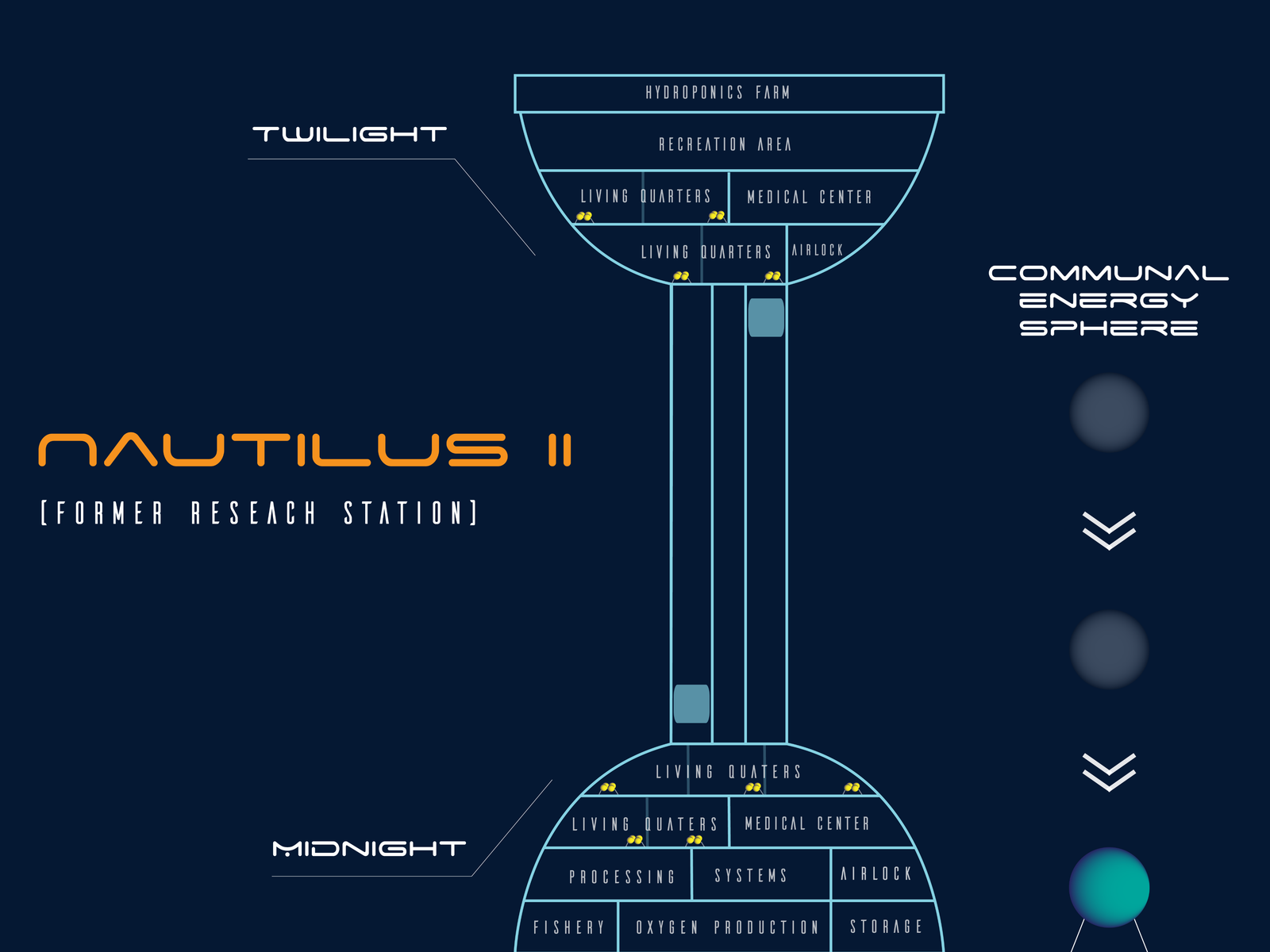
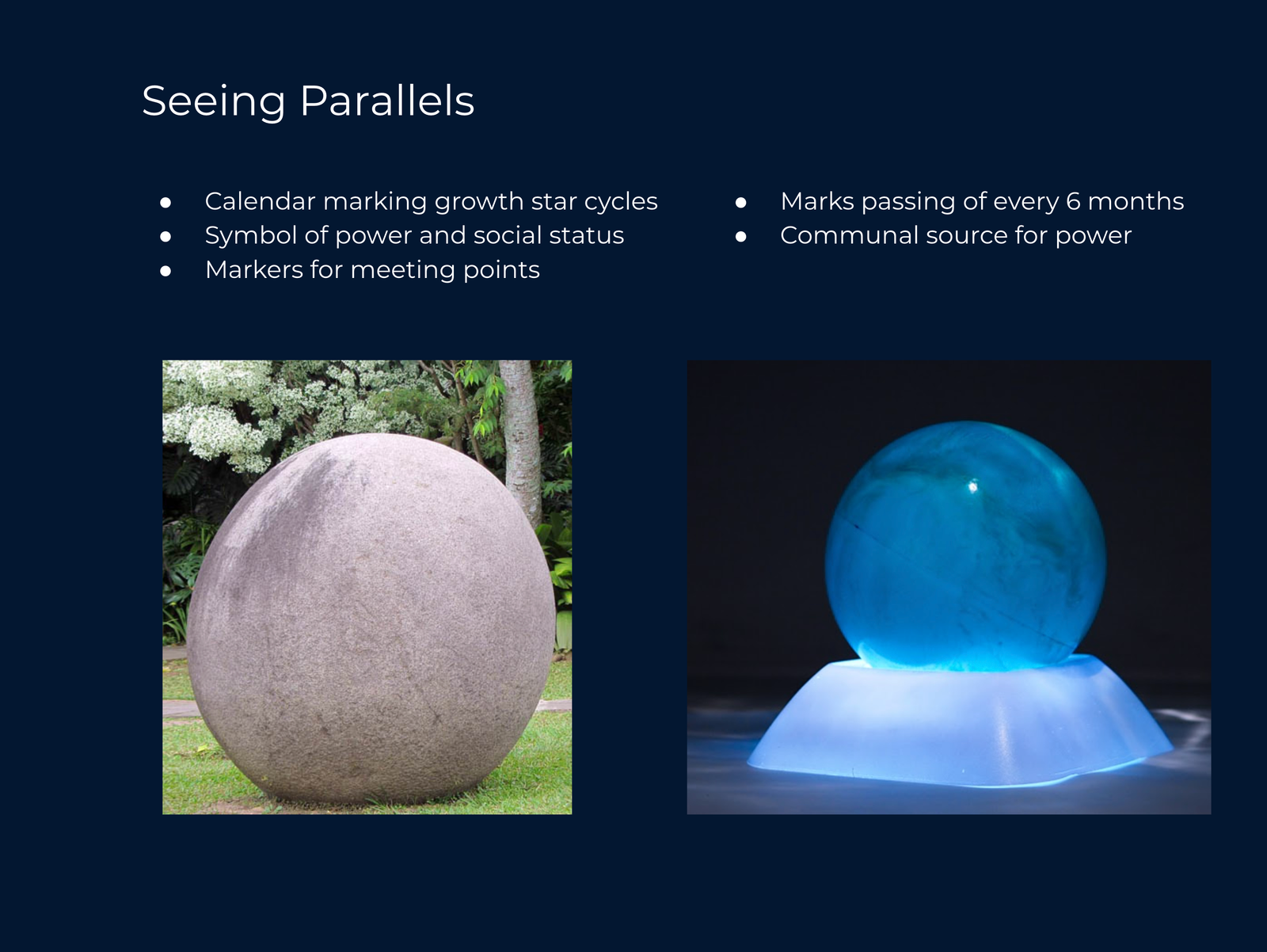
Pinaza is a speculative design project imagining an underwater future in 2147 where scarce energy is being rationed within the community with a focus on exploring meaningful connections. The team drew inspiration from the Diquis spheres, ancient stone spheres that are found throughout Costa Rica with unknown origins and theorised to be calendar markers, symbols of power, or meeting points. The team was fascinated by the discovery story where these spheres were stumbled upon by an American fruit company while clearing land for banana plantations and workmen blew them apart in hopes of extracting hidden gold inside.
Through secondary research, futurecasting, and worldbuilding, the team imagined a world with rising sea levels where coastal populations who cannot afford to flee inland are confined to living underwater in disused research stations where energy is being rationed as the communal energy collection system only gathers solar energy once every six months. These communal energy spheres power households and inhabitants can budget for their daily use by carrying their personal energy with them.
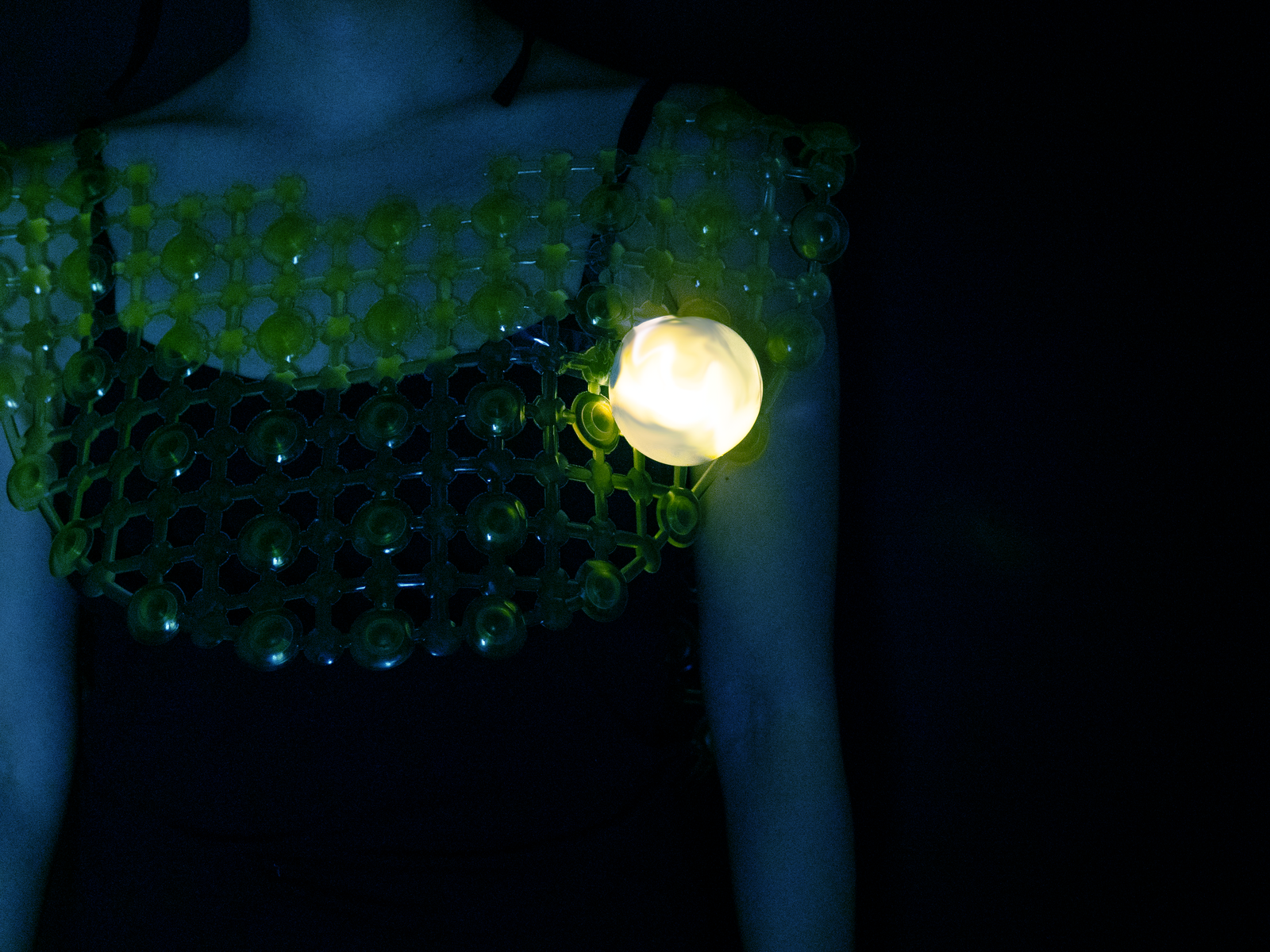
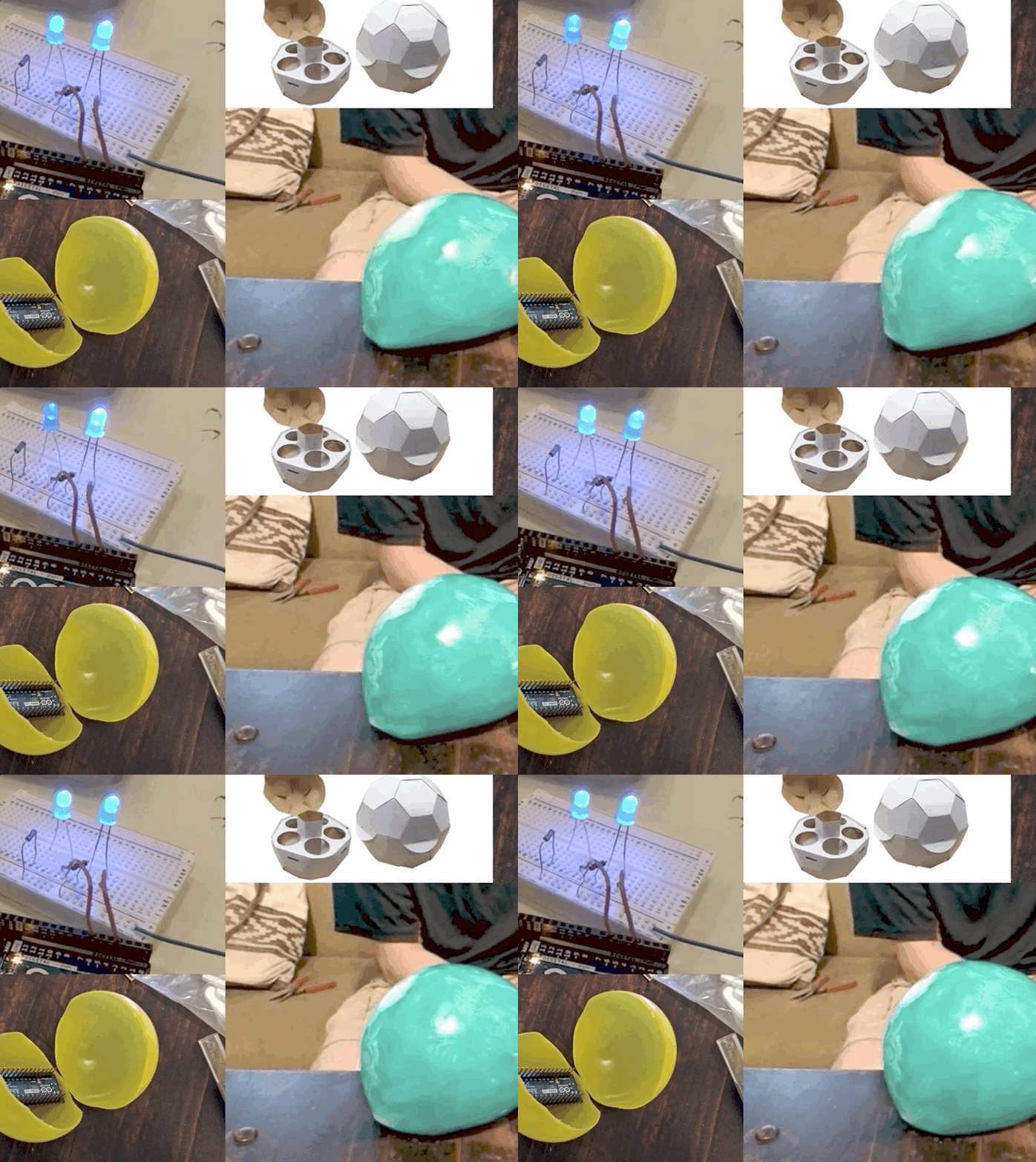
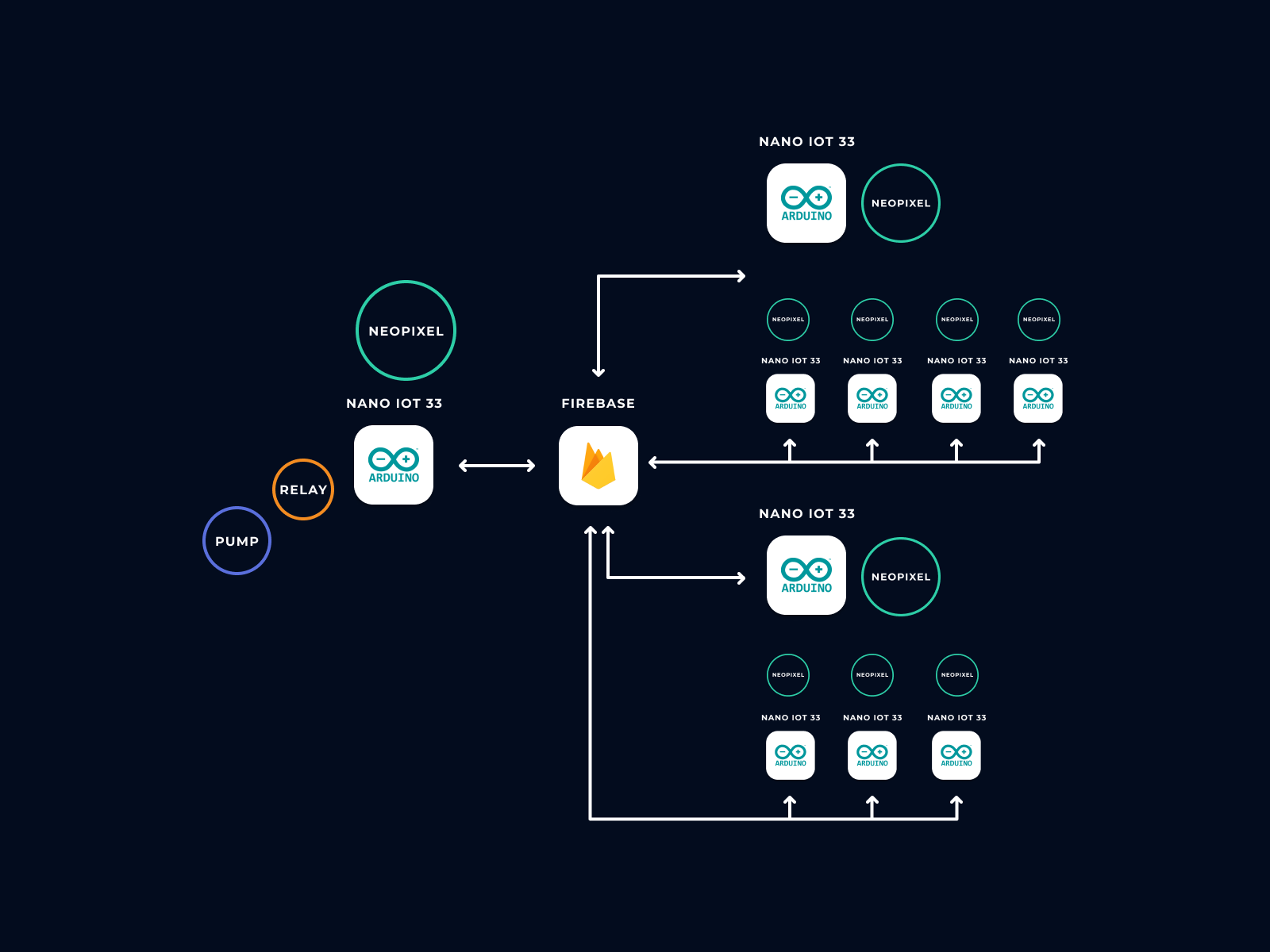
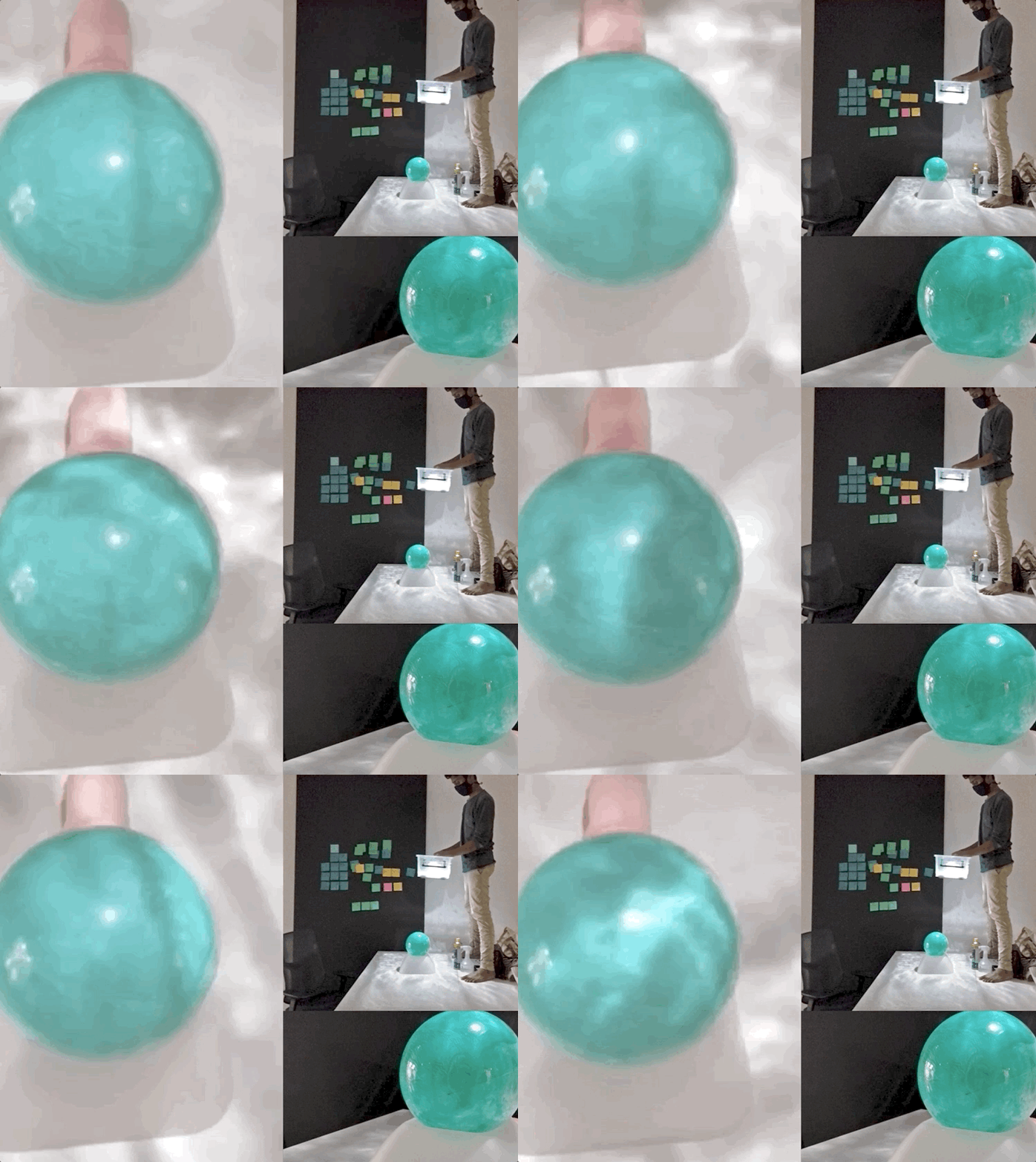
The communal energy sphere was built using a relay module to link up an air pump with an Arduino Nano33 IoT, allowing the ball to inflate and deflate at a controlled rate (visual representation for communal energy consumption). The smaller handheld ball is made up of neopixel rings and Arduino Nano33 IoT boards to show the consumption of personal energy through dimming and glowing lights (when placed on the household base for recharging).
The project explores different aspects meaningful connections including:
People-to-people | Power is shared by all, how does your consumption relate to the community?
People-to-self | Reflecting and bringing awareness on one’s energy consumption
People-to-time | How does one decide on how to budget limited resources in the short term (a day) vs. long term (6 months)?