Pixelator
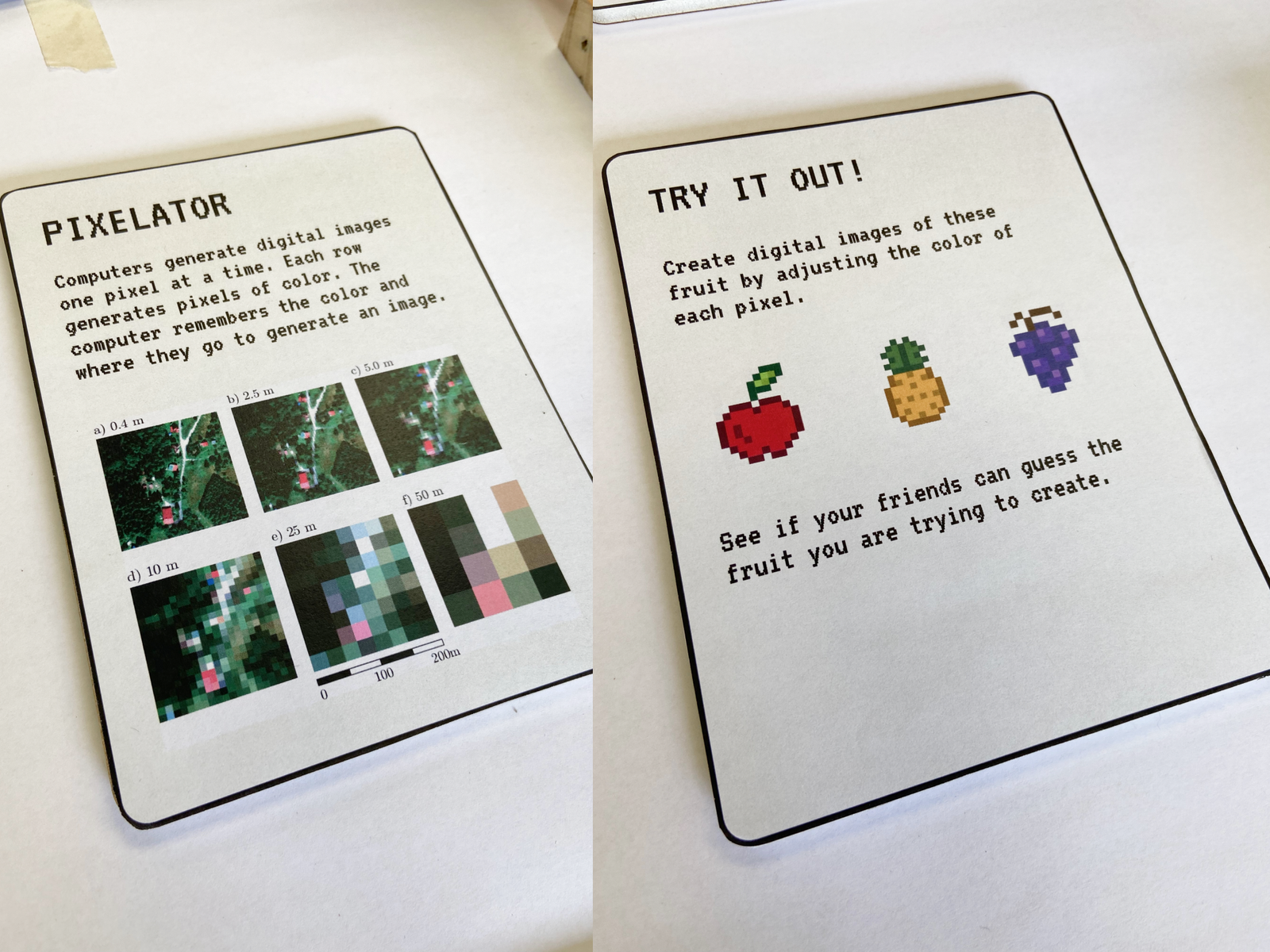
So much of the world around us is made up of screens. The digital universe relies on a very basic concept: the concept of a pixel. All screens generate digital images one pixel at a time. Each row generates pixels of color. The computer remembers the colors and where they go in the grid to generate an image.
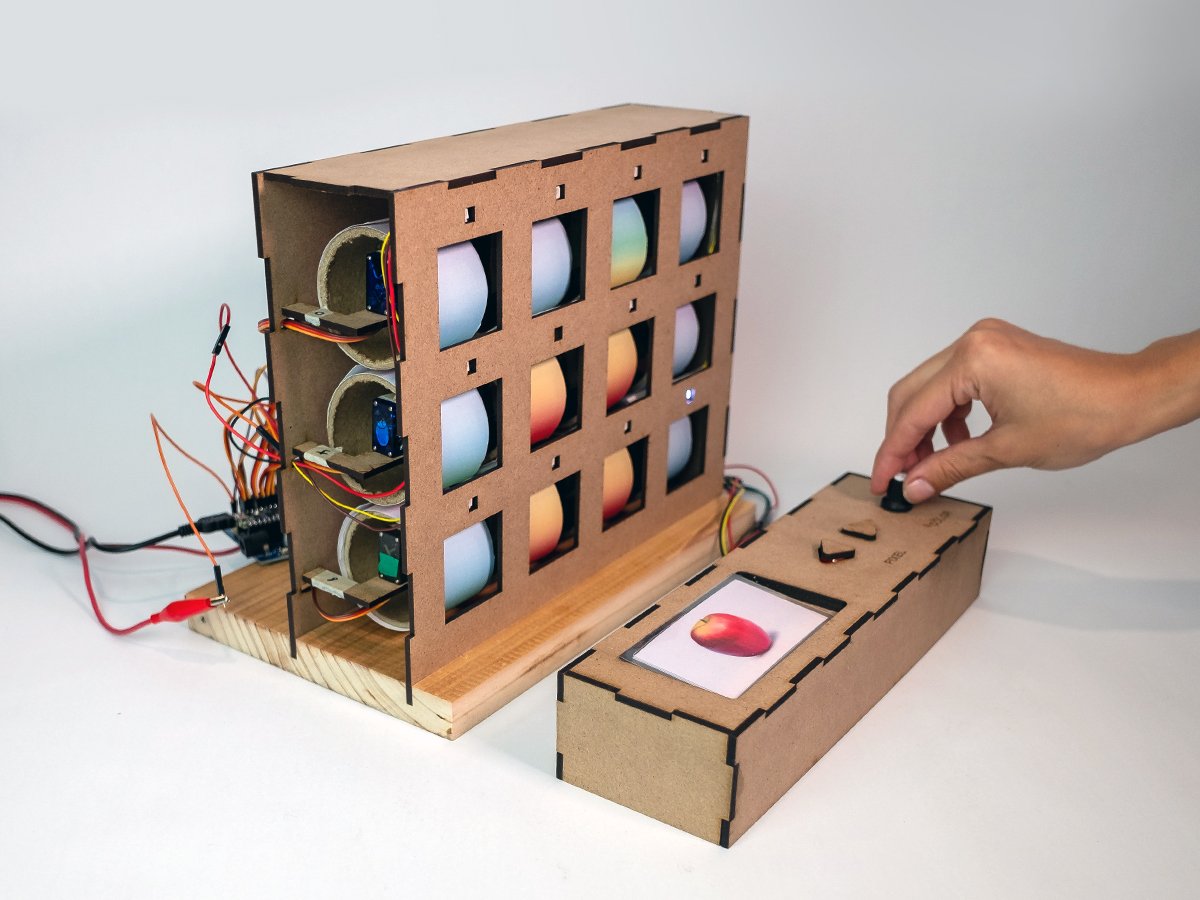
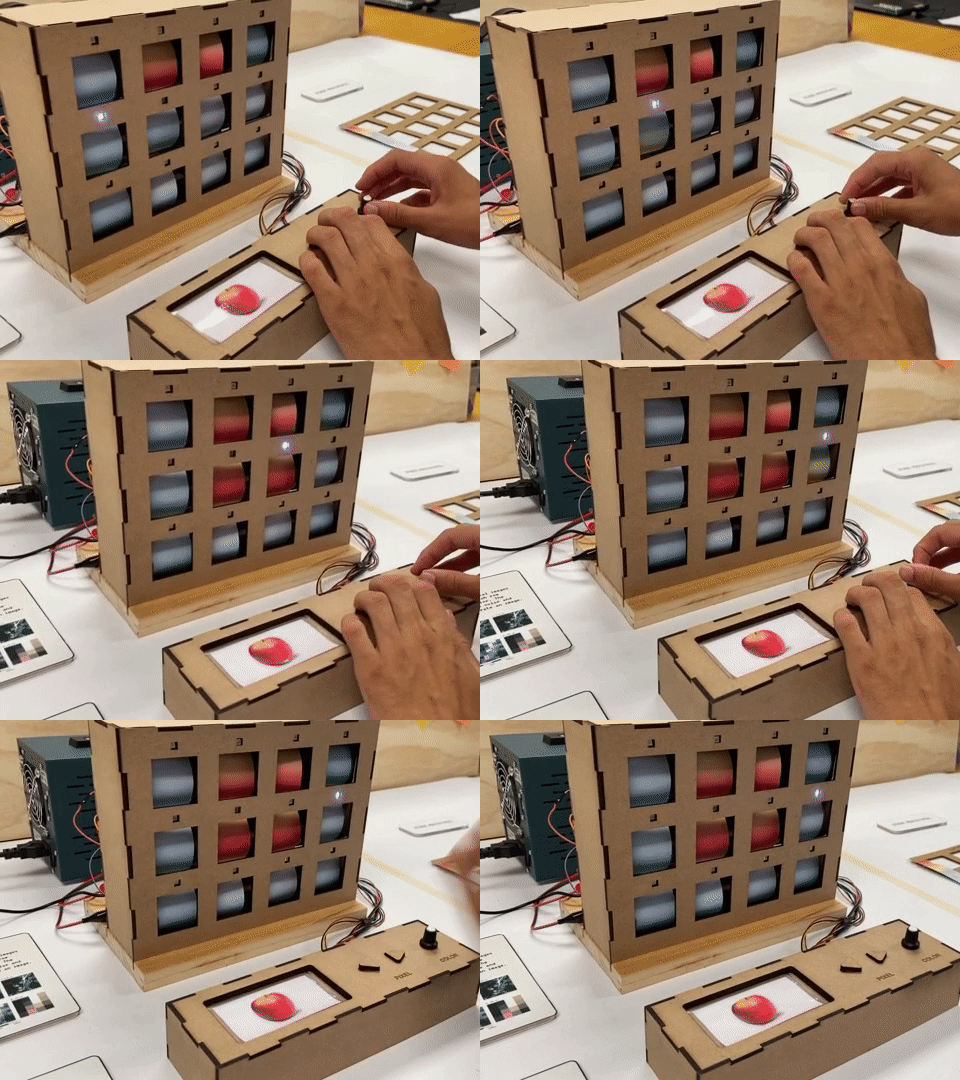
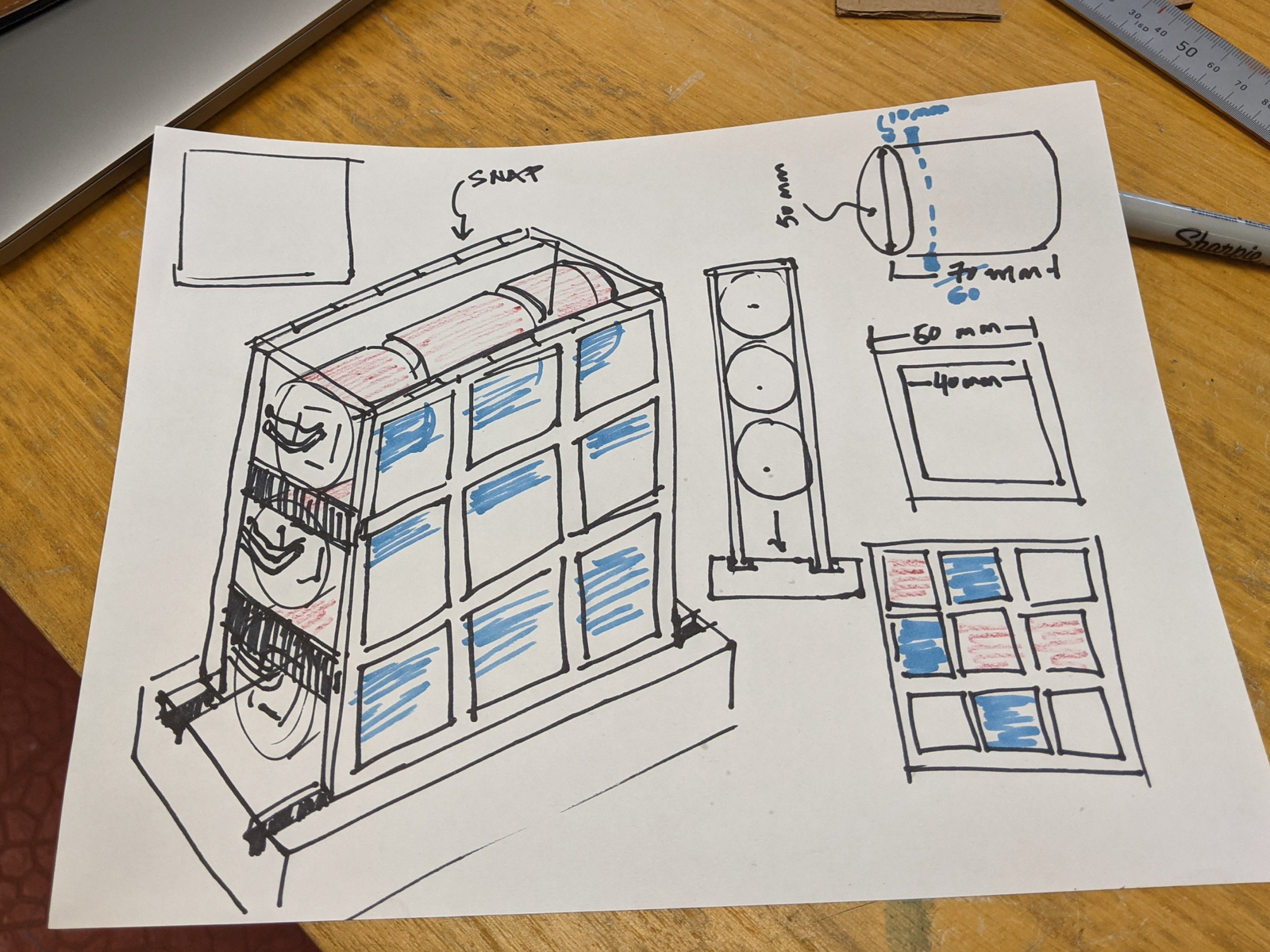
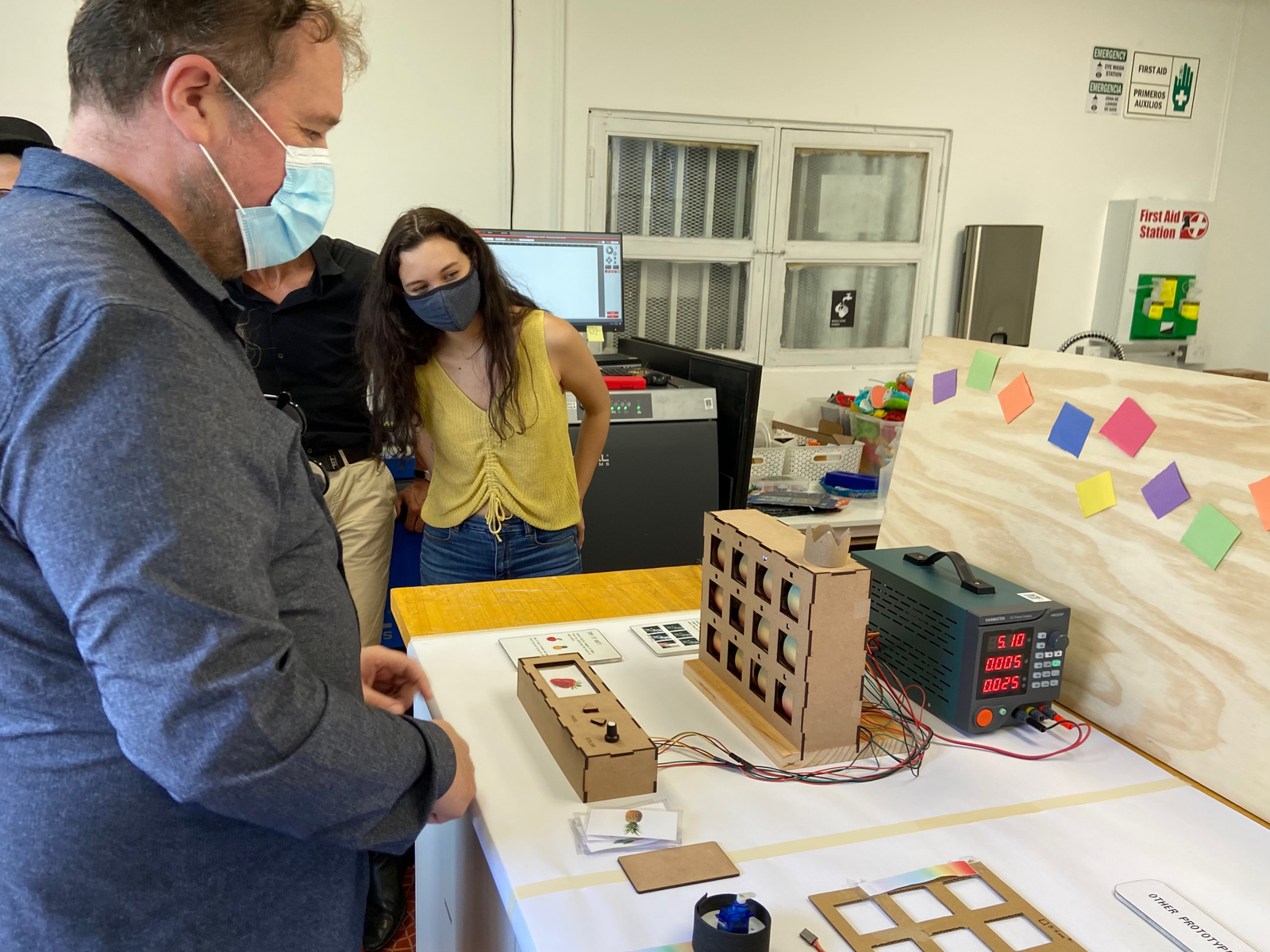
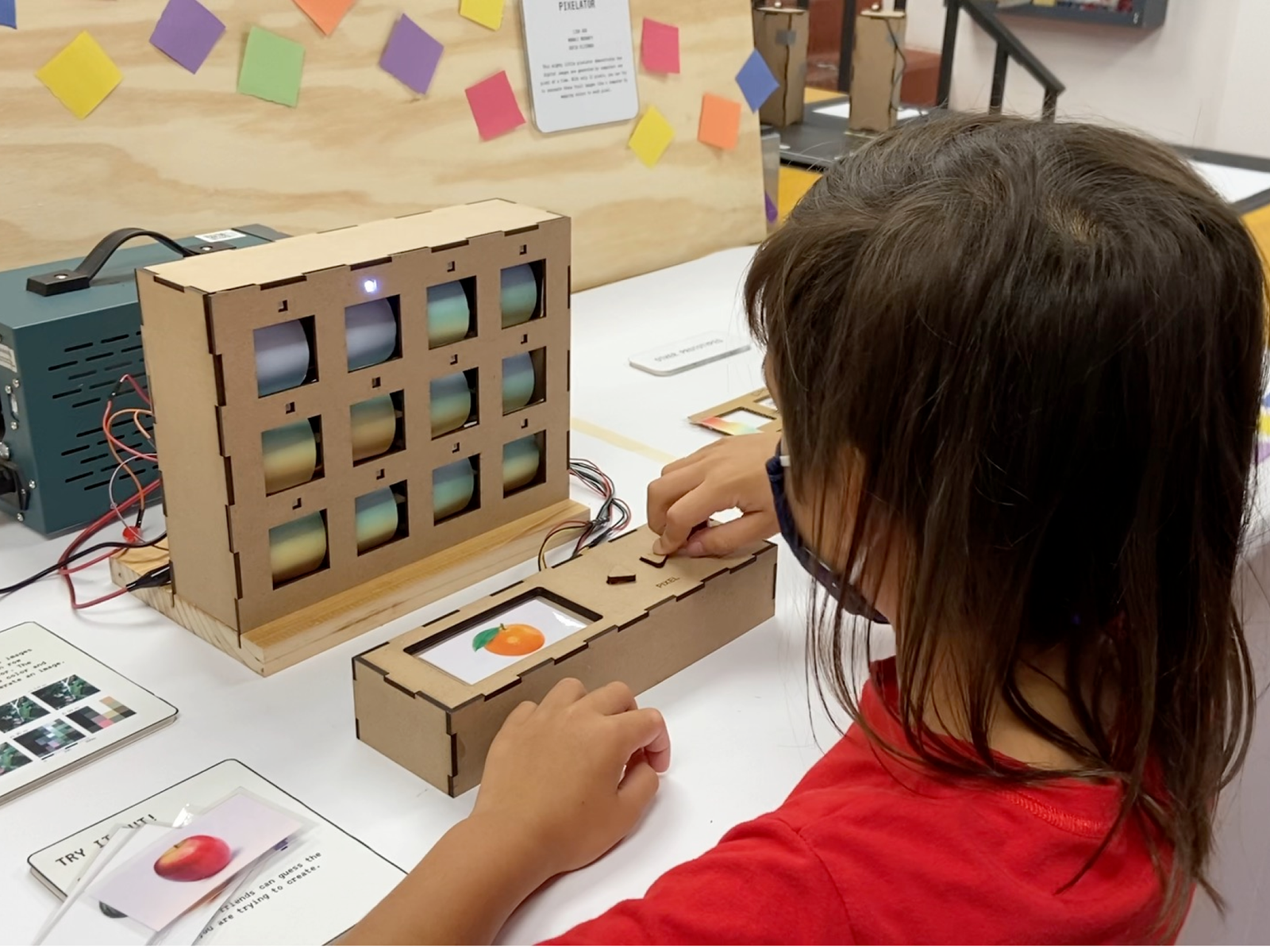
The Pixelator distills that concept into game through a 3 x 4 grid of adjustable colors. One player recreates the image of a fruit one pixel at a time and the other player guesses. In essence, player one here is the computer, translating an infinite resolution real-life image into a limited 3 x 4 grid. While its simplicity is aimed at teaching kids about the hidden technology behind their daily lives, it’s really an experience for all.
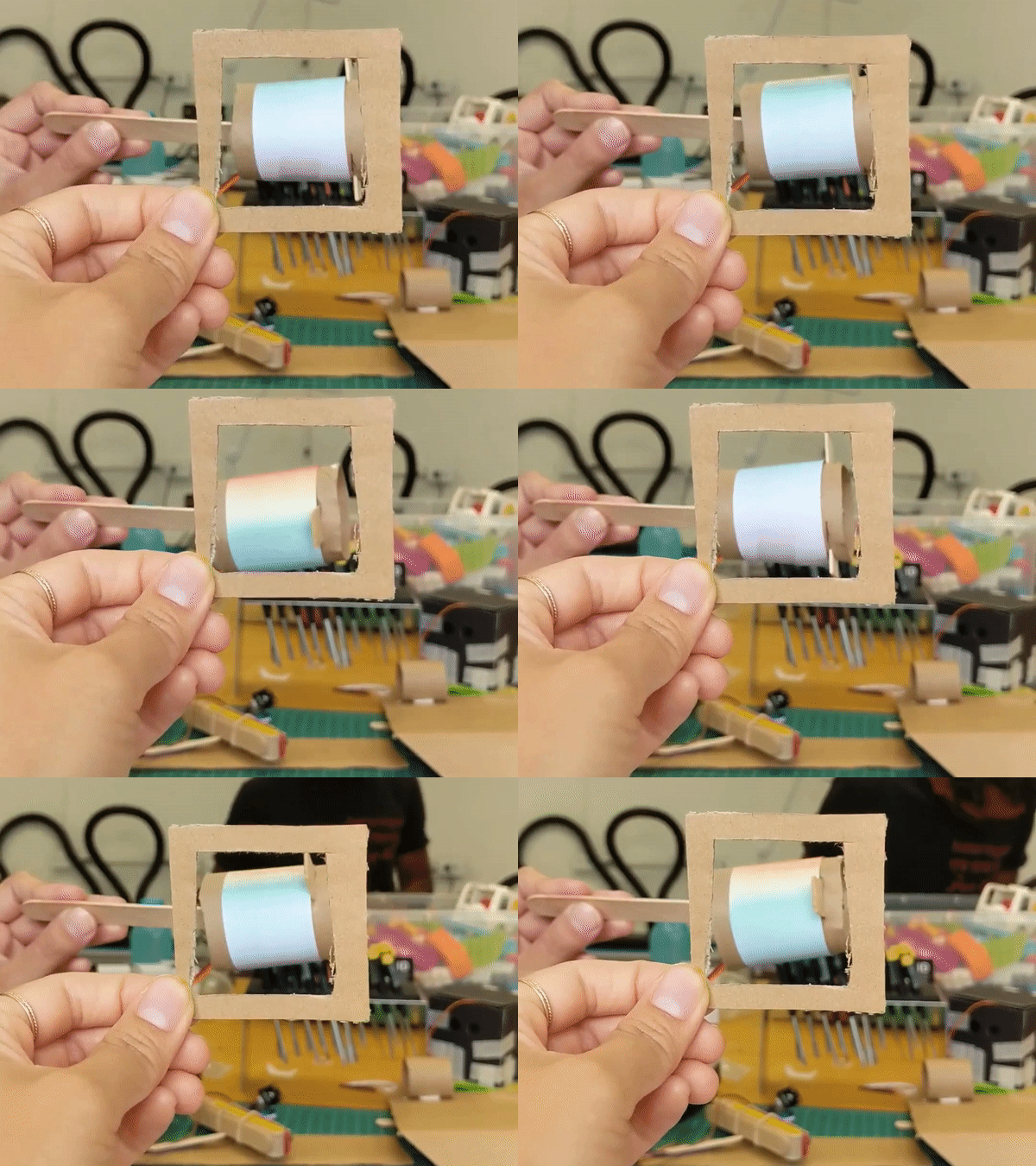
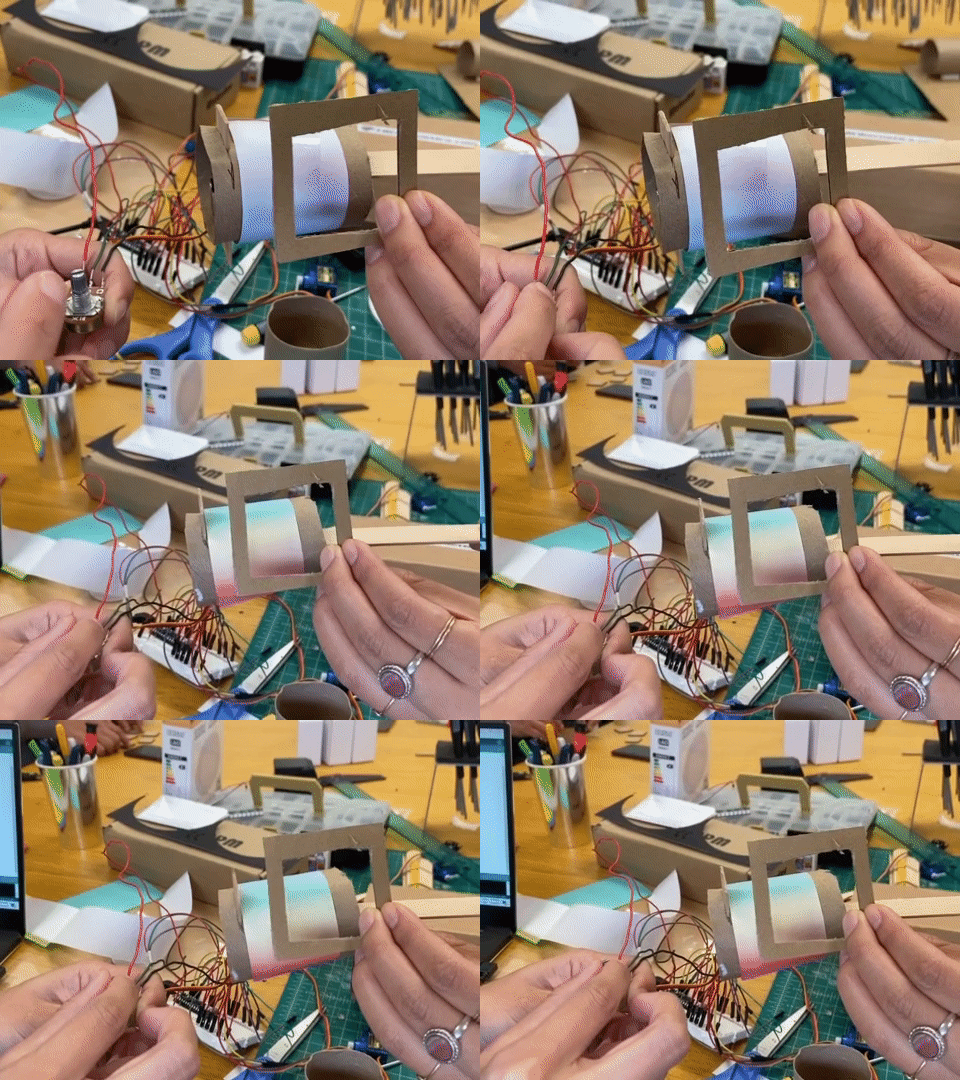
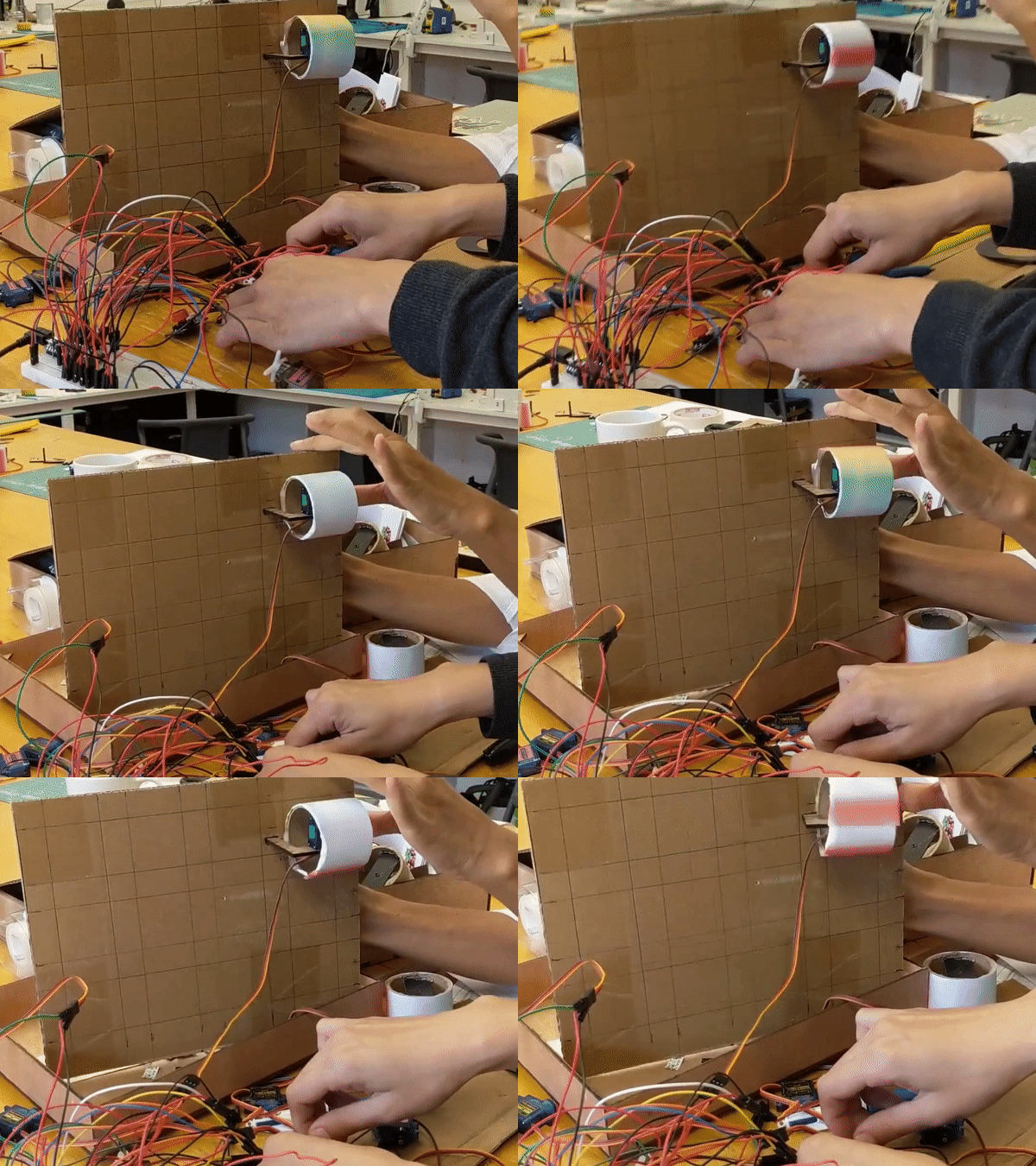
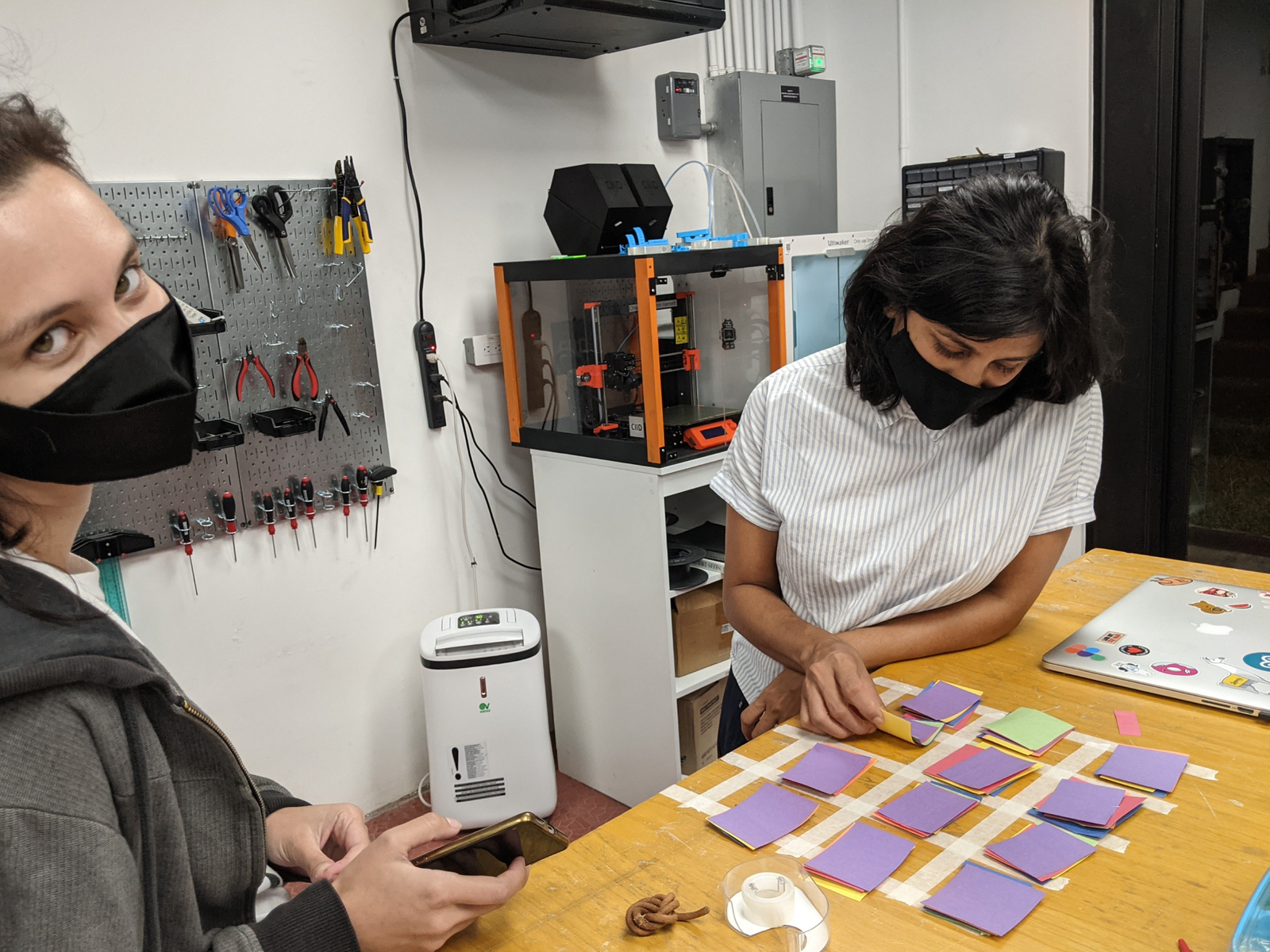
The mighty little Pixelator runs on 12 servo motors attached to an Arduino Nano. The team iterated and tested with a life-sized grid and solid block colors, landing on this executable concept. Physical computing creates many more points of failure: is it the code? Is it the internet? Is it the power? Is it the way the wires were soldered? This was really a test of details for the team.