Siderum
‘What if we could use other celestial bodies other than the Sun to mark the passing of “a day”?’
Siderum is a speculative design project imagining interplanetary time keeping with the aim to explore people-to-sense of time connection using networked devices.
The name of the project took inspiration from ‘Sidereal Time’ (‘star time’) which represents the amount of time that takes a planet to rotate relative to fixed stars. For example, the sidereal time for Earth is 23 hours 56 minutes 4.0905 seconds. As sidereal time is based on celestial bodies, the team explored the possibility of using it as a measure of time between the homebase (Earth) and future colonies
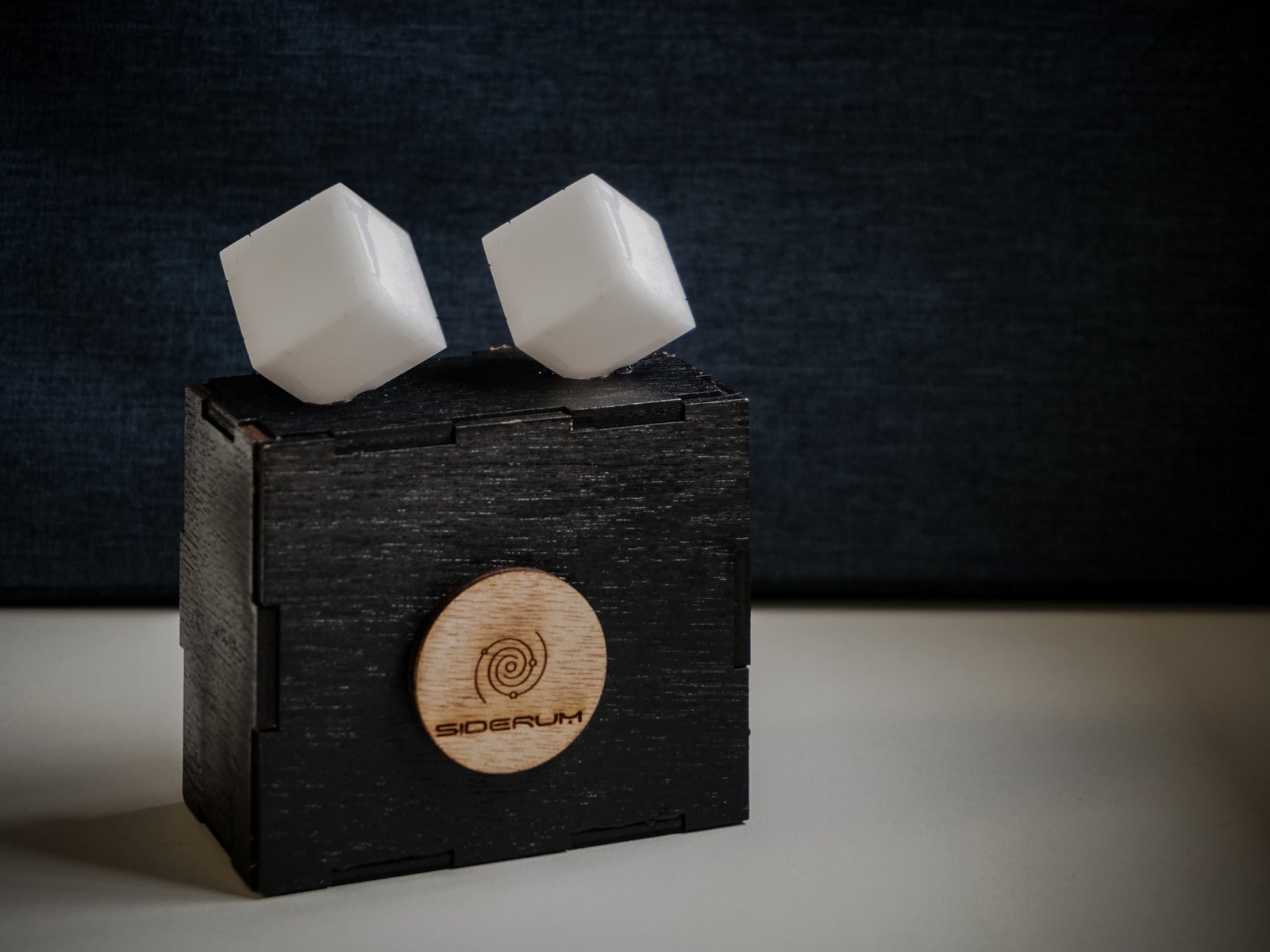
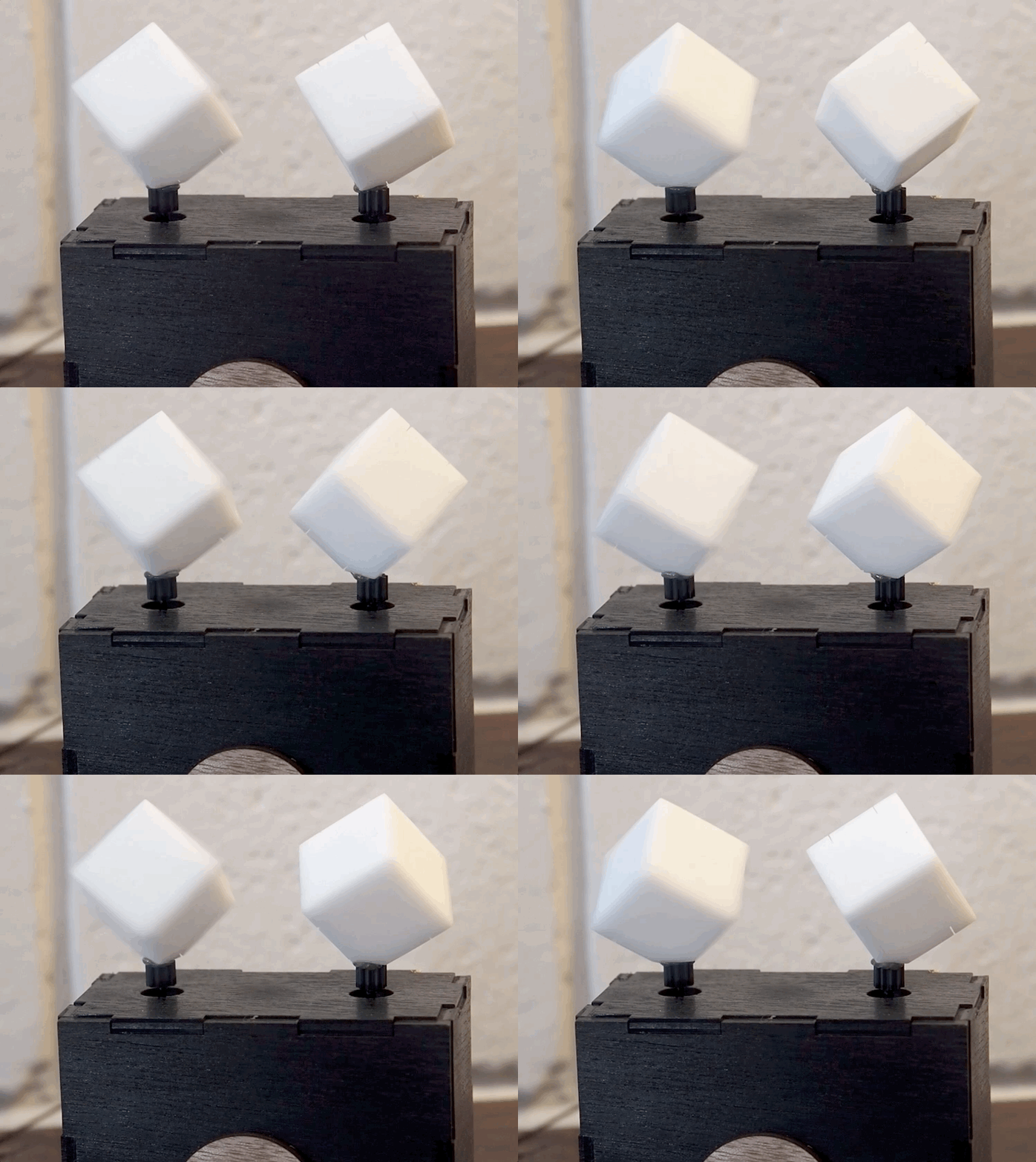
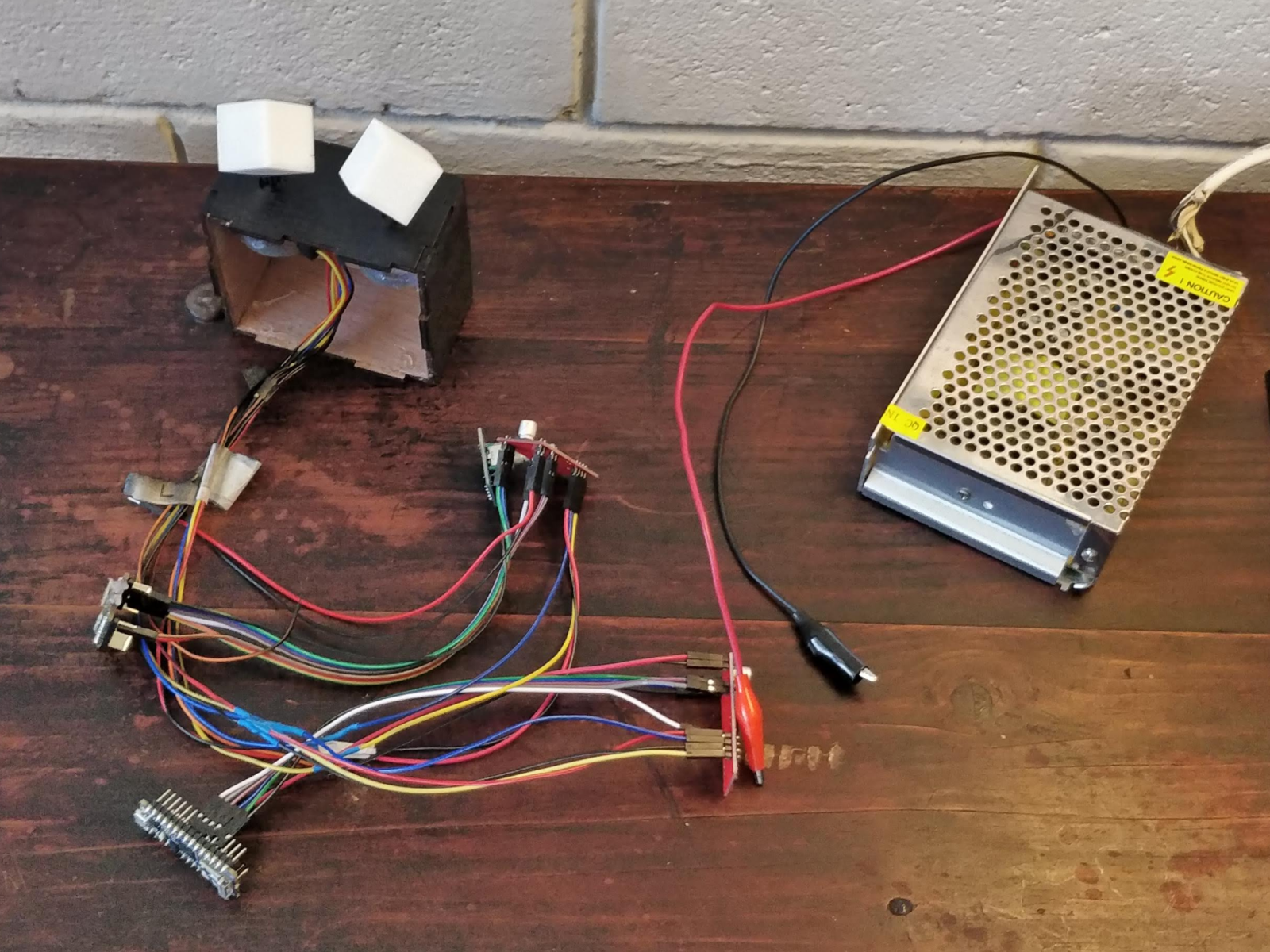
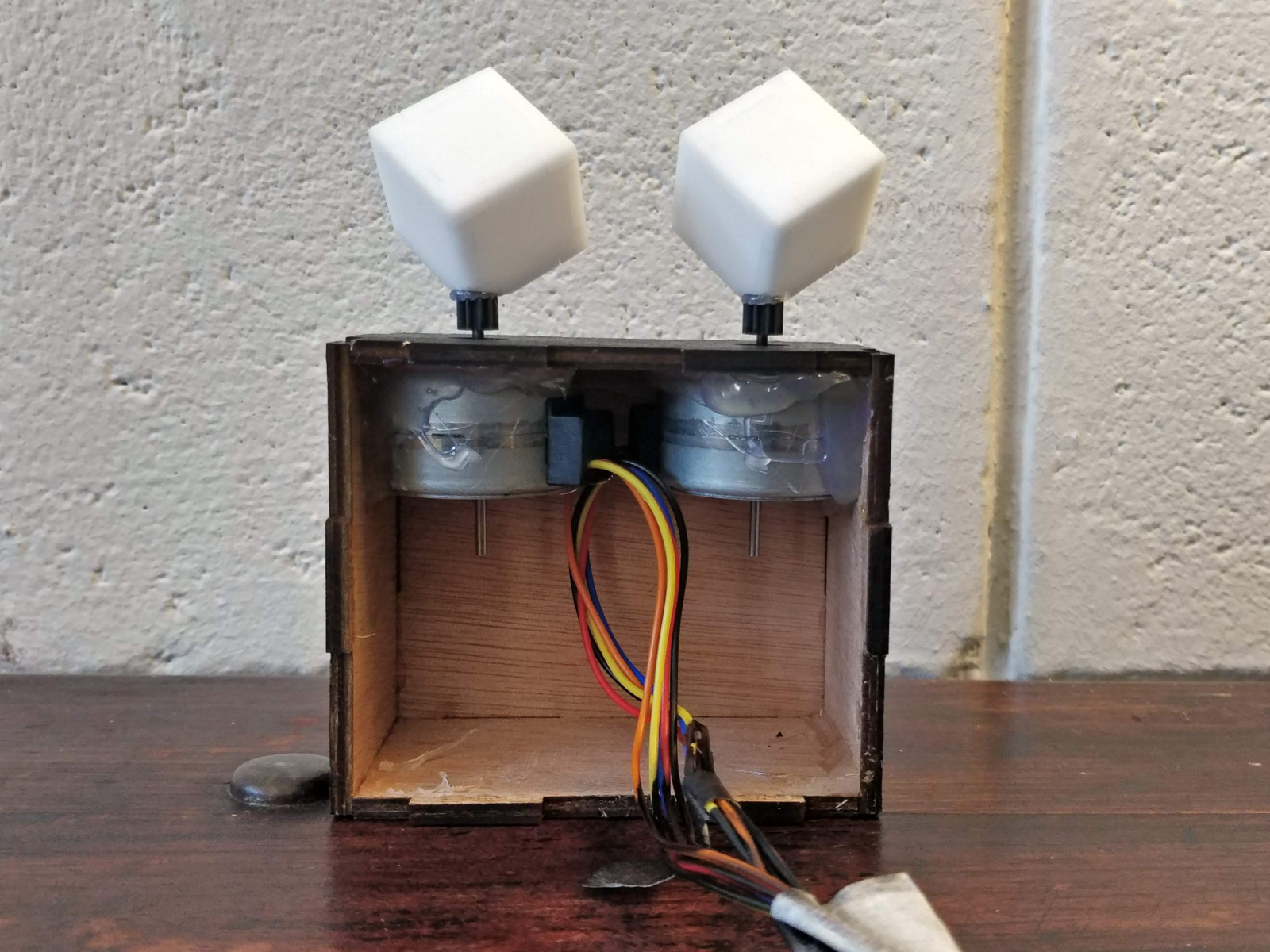
Siderum is a galactic timekeeping installation that helps visualize the relationship of time between two celestial bodies - Earth and Mars. Two spinning cubes, each at a different speed, represents a planet. Since each ‘Mars day’ is slightly longer than an ‘Earth day’, and each ‘Mars year’ is twice as long as an ‘Earth year’, it is important that inhabitants on the two planets understand this relationship to facilitate communication between the two communities.
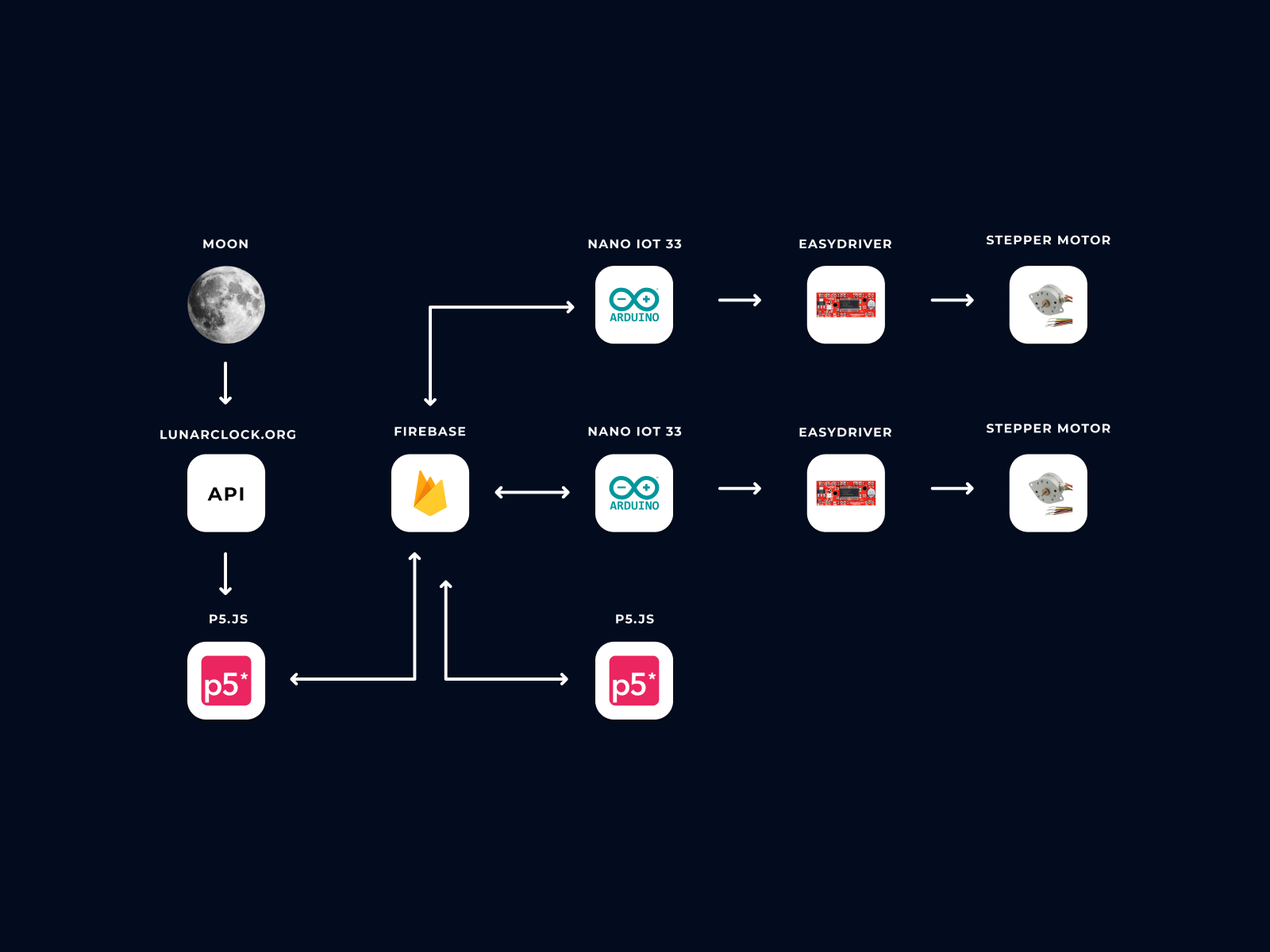
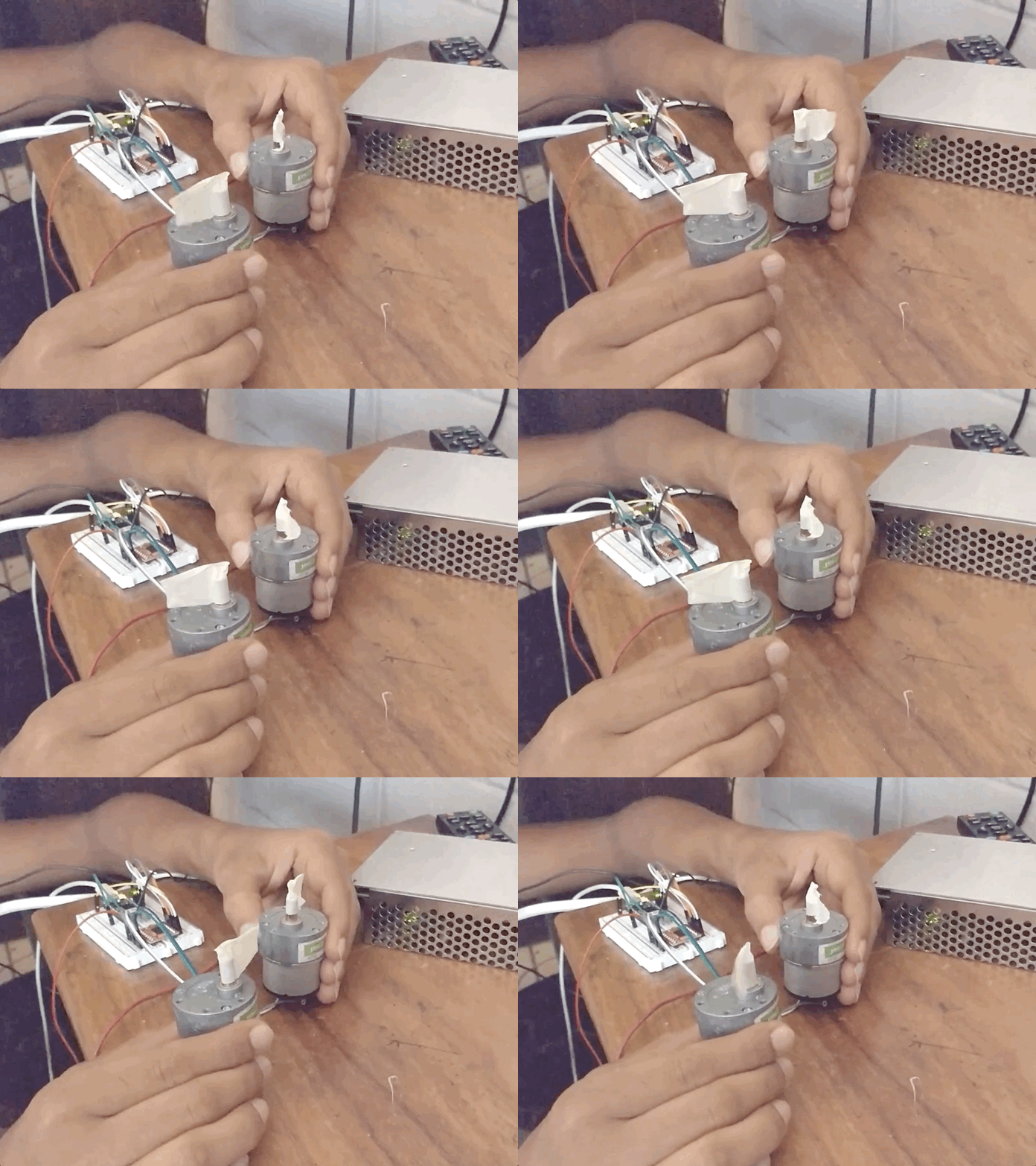
The prototype was made by using two Arduino Nano33 IoT boards, each one was connected to one motor. One is connected to Coordinated Universal Time (UTC) and spins a motor relative to the 24 hour long day and the other is connected to Lunar Standard Time (LST) in lieu of Coordinated Mars Time (MTC) since that API was more readily available and spins a motor relative to a 25 hour long day. The cubes were added on top to more easily display this comparison.
The project explores different aspects of people-to-time connection including:
- Short Term vs. Long Term | Time is on a different scale as we look ahead and beyond
- Representation of Time | How would two planets with different day lengths stay synchronized? i.e. How would planetary timezones work?
- Sense of Time | How might we experience time in a space that we have yet to physically experience?