White
Context:
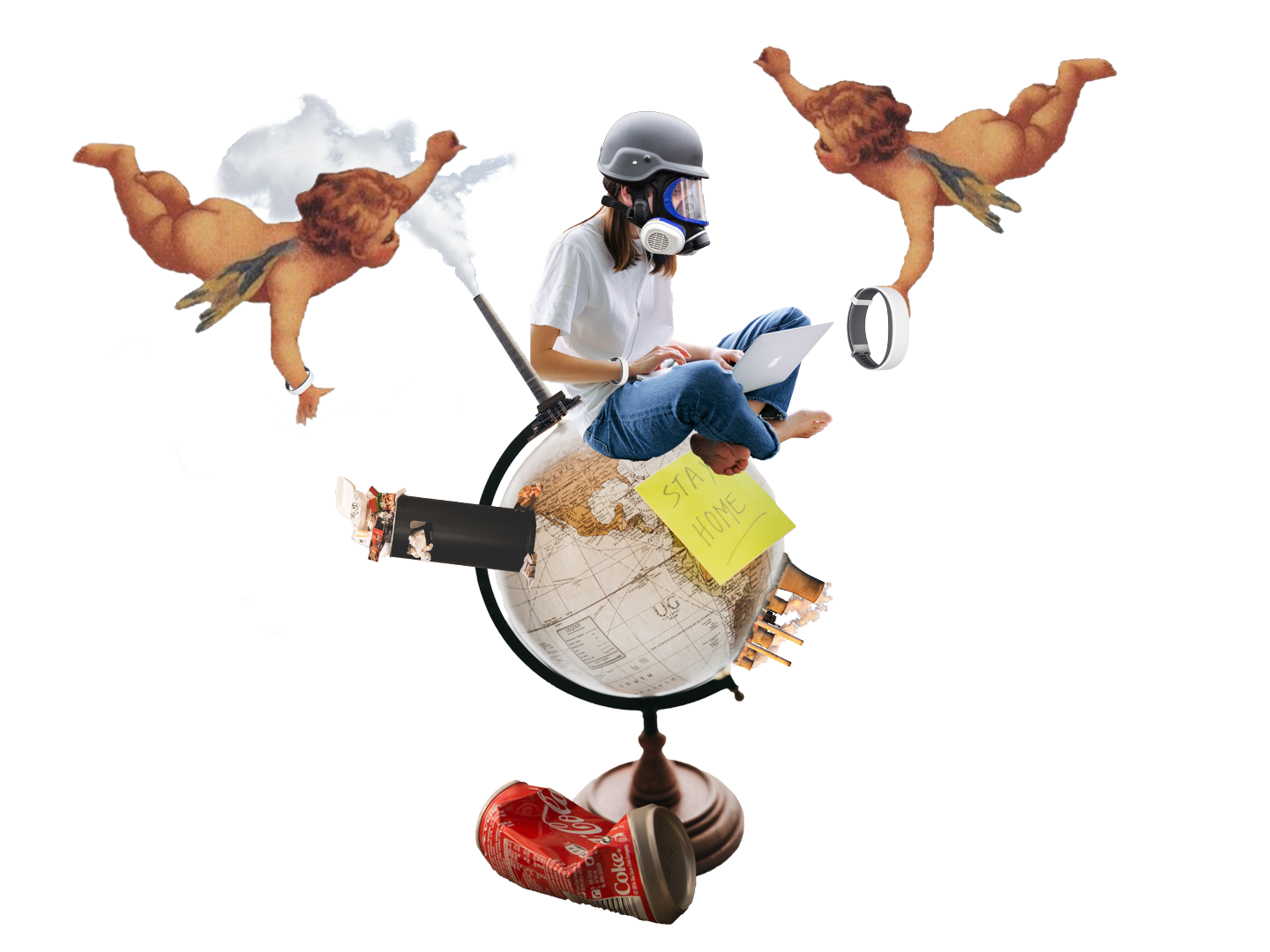
Exposure to airborne particulate matter and pathogens in most large cities is a major public health issue. Air pollution is a leading cause of chronic disease and premature death. Infants and children are particularly vulnerable as their lungs and immune system are still developing, and their agency to protect themselves is - to a large extent - determined by the circumstances of their family, caregivers and community.
Speculative design:
"White" is a next generation wrist wearable that monitors short and long-term health metrics of infants and young children. It also tracks movement and helps primary caregivers to monitor that their children remain in cleaner air spaces in order to limit their exposure and manage the family's risk premium.
White attaches to the wrist of the user. Regular blood sample readings are taken using non-invasive sensors. Meanwhile, GPS tracking identifies when a user moves away from a cleaner air space, such as a sealed home or public building, and cross-references with community air quality monitoring data to provide an exposure time-lapse. Parents are alerted when their children face exposure and are given real-time measurement of lifetime lost and associated costs.
Process and considerations:
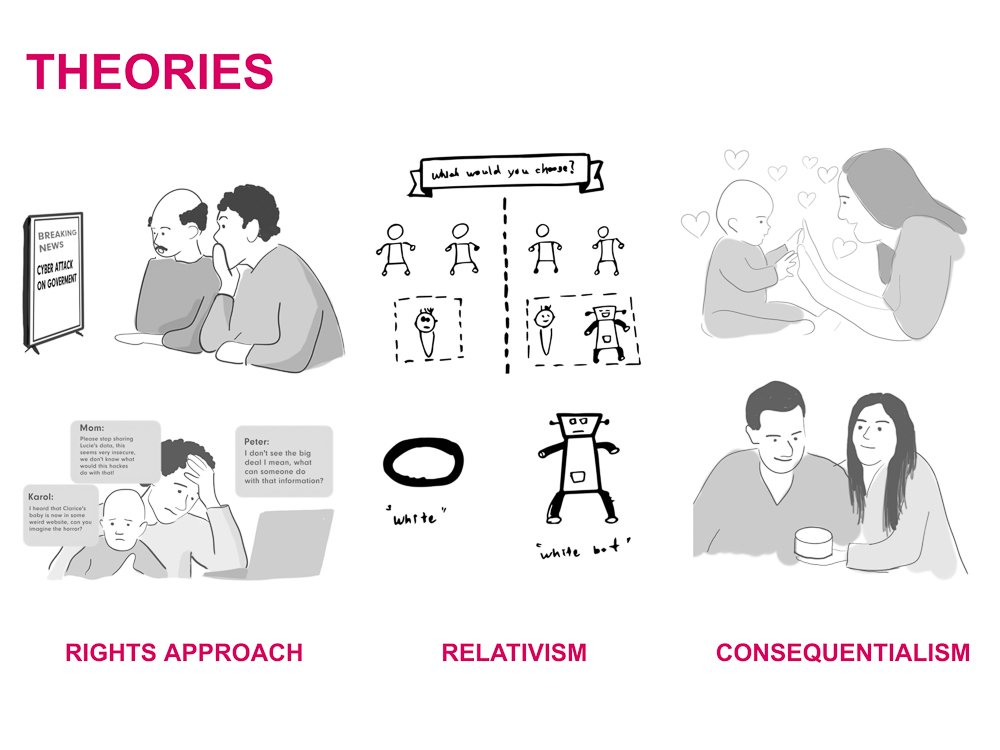
White is a futures design project that considers ethics in a world of high exposure, health surveillance and data proprietary. The scenario was developed through the ethical lens of consequentialism, rights and duty of care.
Should parents be forced to shelter their children from the air outside? Most importantly, who is excluded from access to clean air spaces? Should insurance providers price their premiums based on relative risk using health surveillance data? Who is disadvantaged by opting out of the system?